Tag: energy

  • 5 Practical Structures That Help Businesses Scale Their Storage Space

    5 Practical Structures That Help Businesses Scale Their Storage Space

    Expanding storage is one of the most common challenges businesses face as they grow. Whether it’s inventory, equipment, or seasonal supplies, having the right structure in place can make scaling smoother and more cost-effective. The good news is that there are practical building solutions designed to maximize space, improve efficiency, and support long-term growth.

    Let’s explore five structures that businesses often rely on to scale their storage capacity.

    Modular Warehouses for Flexible Growth

    Modular warehouses are designed with adaptability in mind. They can be expanded or reconfigured as a business’s needs change, making them ideal for companies experiencing rapid growth. Unlike traditional warehouses, modular designs allow sections to be added without disrupting operations. This flexibility helps businesses avoid overcommitting to large facilities before they’re truly needed. The ability to scale up or down ensures that storage space aligns with demand, reducing wasted overhead costs.

    Another advantage of modular warehouses is their relatively quick installation compared to conventional construction. Businesses can respond faster to market changes, seasonal demand, or sudden growth opportunities. With modular systems, companies can also relocate or repurpose sections, which adds another layer of efficiency. For industries where agility is key, modular warehouses provide a practical solution that grows alongside the business.

    Steel Buildings for Durability and Cost Efficiency

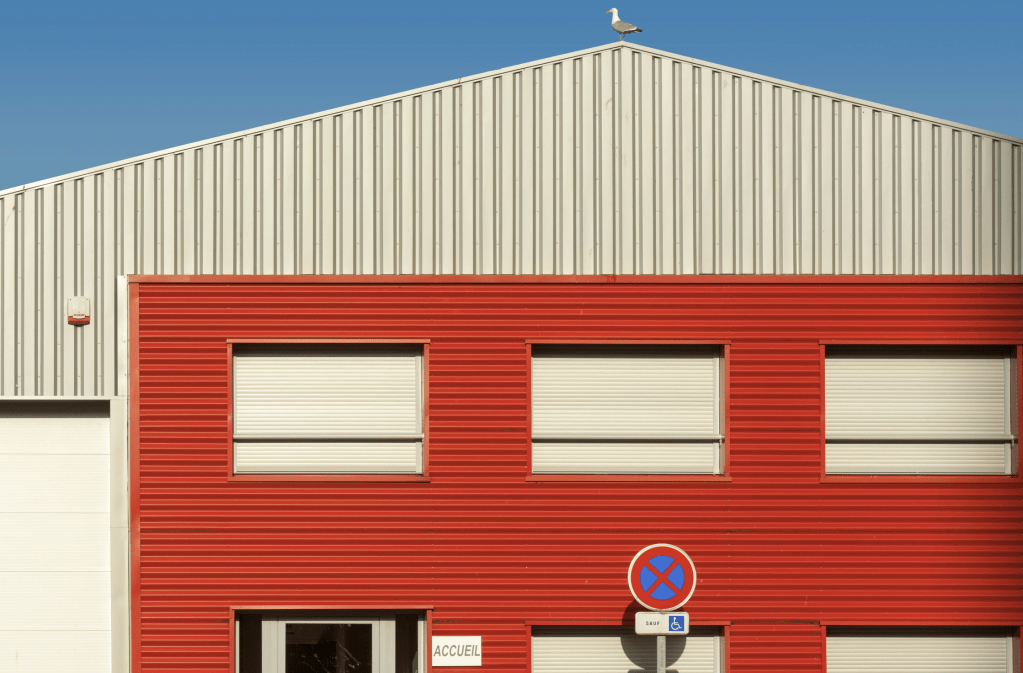
    A steel building is one of the most practical solutions for businesses that need reliable, long-term storage. Steel structures are known for their strength, resistance to weather, and low maintenance requirements. They can be customized to fit specific dimensions, making them suitable for everything from raw materials to finished goods. Because steel buildings are quicker to construct compared to traditional brick-and-mortar facilities, businesses can expand storage capacity faster. Their durability also means fewer repairs over time, which translates into significant cost savings.

    Steel buildings also offer versatility in design. They can be built with wide spans and high ceilings, allowing companies to store large equipment or bulk inventory without structural limitations. For businesses in manufacturing, agriculture, or logistics, steel buildings provide a dependable option that balances affordability with resilience. Over time, the investment in steel pays off by reducing operational risks and ensuring storage remains secure and efficient.

    Mezzanine Floors for Vertical Expansion

    When floor space is limited, mezzanine floors provide a smart way to expand storage vertically. These intermediate levels can be installed inside existing warehouses or large facilities, effectively doubling usable space without requiring new construction. Mezzanines are particularly useful for businesses storing smaller items or organizing inventory by category. By taking advantage of unused vertical height, companies can increase capacity while keeping operations centralized.

    Mezzanine floors also improve workflow by separating different types of inventory. For example, businesses can store fast-moving products on the ground floor while keeping slower-moving items on the mezzanine. This organization reduces clutter and makes retrieval more efficient. Since mezzanines can be customized and even dismantled if needed, they provide a flexible solution that adapts to changing storage requirements without major investment.

    Cold Storage Units for Temperature-Sensitive Goods

    Businesses dealing with food, pharmaceuticals, or other perishable products often rely on cold storage units. These specialized structures maintain controlled environments to preserve product quality and safety. Cold storage facilities can be built as standalone units or integrated into larger warehouses, depending on the scale of operations. Investing in reliable cold storage not only protects inventory but also ensures compliance with industry standards.

    Cold storage units are essential for businesses where product integrity directly affects customer trust and regulatory compliance. They help reduce waste, extend shelf life, and maintain consistent supply chains. For companies in industries like healthcare or food distribution, cold storage is not just an option—it’s a necessity. By integrating these units into their operations, businesses can confidently scale while safeguarding sensitive goods.

    Portable Storage Solutions for Seasonal Demands

    Not every business needs permanent storage expansion. Portable storage units, such as shipping containers or mobile pods, offer a flexible option for temporary or seasonal needs. They can be delivered on-site, used as overflow space, and removed when no longer required. This makes them cost-effective for companies with fluctuating inventory levels, such as retailers during holiday seasons. Portable solutions also provide quick access to additional capacity without the expense of building or leasing new facilities.

    Another benefit of portable storage is mobility. Businesses can move units between locations as needed, supporting multi-site operations or temporary projects. They are also durable and secure, making them suitable for storing valuable equipment or excess stock. For companies that experience cyclical demand, portable storage ensures they can scale up quickly without committing to long-term infrastructure.

    Conclusion

    Scaling storage space doesn’t have to mean investing in massive, permanent facilities right away. By choosing practical structures like modular warehouses, steel buildings, mezzanine floors, cold storage units, and portable solutions, businesses can expand strategically and efficiently.

    Each option offers unique benefits, from flexibility and durability to specialized functionality. The key is to match the structure to the company’s growth stage and operational needs, ensuring storage capacity supports—not hinders—business success.
  • Power in Motion: Essential Machines and Vehicles for Heavy Industrial Work

    Power in Motion: Essential Machines and Vehicles for Heavy Industrial Work

    Heavy industrial work demands strength, reliability, and efficiency, and that’s why the right machines and vehicles are critical. From construction sites to mining operations, these powerful tools keep projects moving forward safely and on time. Understanding the types of equipment used in these environments can help businesses make informed decisions and maximize productivity. Whether moving massive materials or performing precise tasks, each machine has a specific role.

    Technological advancements have also made modern equipment more versatile and safer for operators. In this post, we’ll explore some of the most essential machines and vehicles that drive heavy industrial work every day. By the end, you’ll have a clearer picture of what makes these industrial powerhouses indispensable.

    Heavy-Duty Excavators: The Backbone of Earthmoving

    Excavators are fundamental in industries that require large-scale earthmoving. These machines can dig, lift, and move soil, rocks, and debris with incredible efficiency. Modern excavators come with advanced hydraulics, allowing operators to perform precise tasks even in tight spaces. They are commonly used in construction, mining, and infrastructure projects.

    Some models feature extendable arms for reaching deep trenches or high loads, enhancing versatility. Safety features, such as cameras and sensors, reduce the risk of accidents on busy sites. Ultimately, excavators save time and labor, proving themselves as essential workhorses in heavy industrial settings.

    Bulldozers: Pushing the Limits

    Bulldozers are designed for strength and stability, making them perfect for clearing land and moving heavy materials. Equipped with wide, flat blades, they can push large amounts of earth, rocks, or debris efficiently. These machines are often used in construction, forestry, and mining operations where surface leveling is required.

    The tracks on bulldozers provide excellent traction, even on uneven or muddy terrain. Some models come with attachments that expand their functionality, such as rippers for breaking up hard ground. Operators rely on bulldozers to prepare sites quickly and safely. By maintaining steady control, bulldozers play a critical role in large-scale industrial projects.

    Cranes: Lifting Beyond Limits

    Cranes are vital for lifting and moving heavy loads vertically and horizontally. Tower cranes, crawler cranes, and mobile cranes are among its many varieties, each of which is appropriate for a particular job. Cranes are used in construction, shipping yards, and heavy manufacturing facilities. Advanced cranes often include automated controls to improve precision and efficiency. They allow workers to position heavy components with minimal manual effort. Regular maintenance ensures that cranes operate safely under demanding conditions. Their ability to handle massive weights makes cranes indispensable for projects requiring both height and reach.

    Winch Trucks: Versatility in Motion

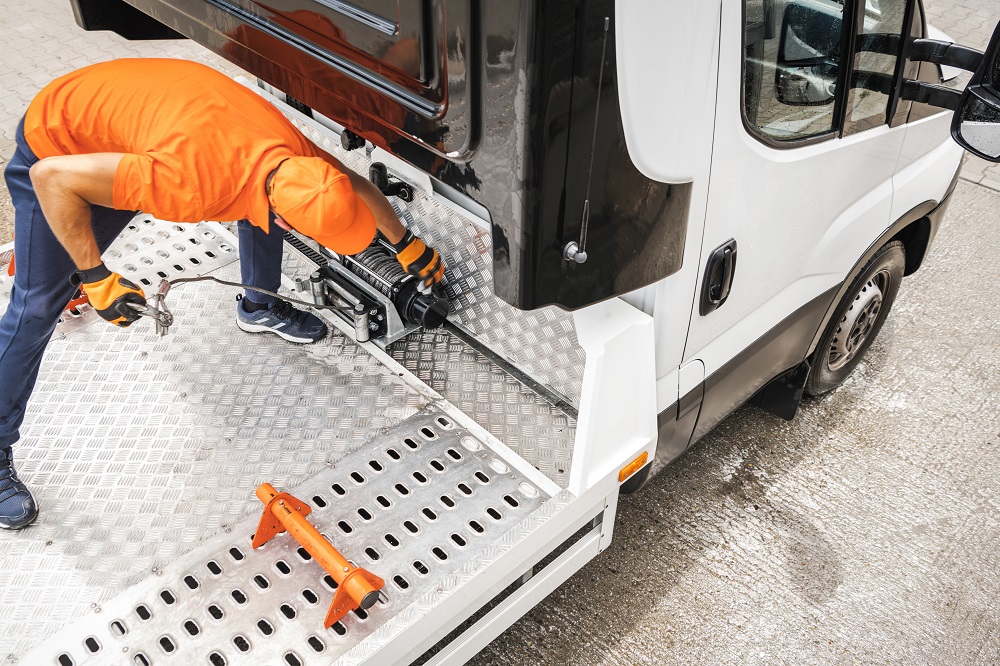
    Winch trucks combine mobility with heavy lifting and pulling capabilities, making them ideal for industrial and off-road tasks. These vehicles are often used for transporting equipment, recovering stuck machinery, and handling large loads in remote locations. Companies such as Watkins Mfg Inc. provide solutions for winch truck sales, builds, and repairs, ensuring these trucks remain reliable and ready for tough jobs. With strong winches, reinforced chassis, and versatile attachments, winch trucks are adaptable to a variety of challenges.

    Operators appreciate their durability and ability to perform in demanding environments. Safety features, including load limiters and stabilizers, help prevent accidents during operation. By enhancing operational efficiency, winch trucks are a smart investment for heavy industrial work.

    Forklifts and Material Handlers: Precision in Transport

    Forklifts and material handlers are essential for moving heavy goods within industrial facilities. They are designed to lift, transport, and place materials safely and efficiently. Electric and diesel-powered forklifts cater to different working conditions, from warehouses to outdoor construction yards.

    Material handlers often include extendable arms and rotating platforms to reach high or awkward spaces. Proper training and maintenance are critical for safe operation, reducing the risk of accidents. These machines minimize manual labor while improving workflow and productivity. In industrial settings, forklifts and material handlers ensure that operations remain smooth and well-organized.

    Heavy-Duty Trucks and Haulers: The Lifeline of Industry

    Transporting large quantities of materials is crucial for keeping industrial projects on schedule. Heavy-duty trucks and haulers are engineered to handle oversized loads over long distances. Their robust engines and reinforced frames ensure reliability even under extreme conditions.

    Some models feature specialized beds for dumping, carrying, or towing heavy materials. These vehicles are indispensable in construction, mining, and large-scale logistics. Proper maintenance and skilled operators are essential for safe and efficient operation. By connecting work sites and resources, heavy-duty trucks and haulers form the backbone of industrial transportation networks.

    Conclusion

    Heavy industrial work relies on a combination of strength, precision, and reliability. Machines like excavators, bulldozers, cranes, winch trucks, forklifts, and heavy-duty haulers all play specific roles that complement each other. Investing in well-maintained equipment ensures safety and maximizes productivity.

    Technological advancements continue to improve efficiency, safety, and versatility in industrial machinery. Whether you are moving earth, lifting heavy loads, or transporting materials, the right machines make all the difference. Companies that understand and utilize these vehicles effectively gain a competitive edge. Ultimately, heavy industrial machines and vehicles are the driving force behind modern infrastructure and development.

Design a site like this with WordPress.com
Get started