Category: Blog

  • 5 Practical Structures That Help Businesses Scale Their Storage Space

    5 Practical Structures That Help Businesses Scale Their Storage Space

    Expanding storage is one of the most common challenges businesses face as they grow. Whether it’s inventory, equipment, or seasonal supplies, having the right structure in place can make scaling smoother and more cost-effective. The good news is that there are practical building solutions designed to maximize space, improve efficiency, and support long-term growth.

    Let’s explore five structures that businesses often rely on to scale their storage capacity.

    Modular Warehouses for Flexible Growth

    Modular warehouses are designed with adaptability in mind. They can be expanded or reconfigured as a business’s needs change, making them ideal for companies experiencing rapid growth. Unlike traditional warehouses, modular designs allow sections to be added without disrupting operations. This flexibility helps businesses avoid overcommitting to large facilities before they’re truly needed. The ability to scale up or down ensures that storage space aligns with demand, reducing wasted overhead costs.

    Another advantage of modular warehouses is their relatively quick installation compared to conventional construction. Businesses can respond faster to market changes, seasonal demand, or sudden growth opportunities. With modular systems, companies can also relocate or repurpose sections, which adds another layer of efficiency. For industries where agility is key, modular warehouses provide a practical solution that grows alongside the business.

    Steel Buildings for Durability and Cost Efficiency

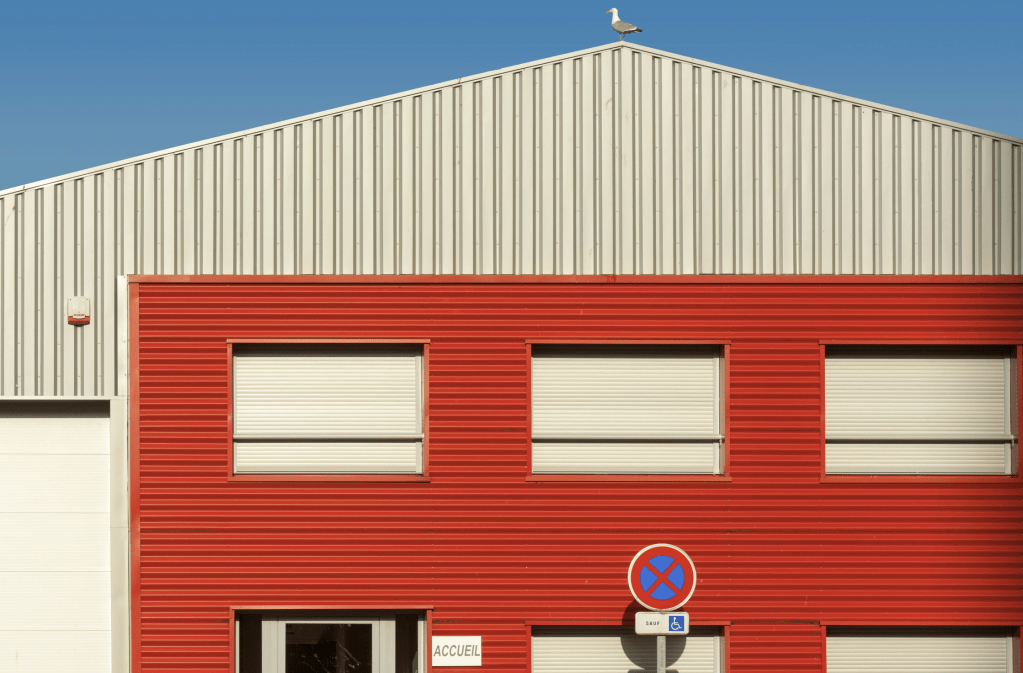
    A steel building is one of the most practical solutions for businesses that need reliable, long-term storage. Steel structures are known for their strength, resistance to weather, and low maintenance requirements. They can be customized to fit specific dimensions, making them suitable for everything from raw materials to finished goods. Because steel buildings are quicker to construct compared to traditional brick-and-mortar facilities, businesses can expand storage capacity faster. Their durability also means fewer repairs over time, which translates into significant cost savings.

    Steel buildings also offer versatility in design. They can be built with wide spans and high ceilings, allowing companies to store large equipment or bulk inventory without structural limitations. For businesses in manufacturing, agriculture, or logistics, steel buildings provide a dependable option that balances affordability with resilience. Over time, the investment in steel pays off by reducing operational risks and ensuring storage remains secure and efficient.

    Mezzanine Floors for Vertical Expansion

    When floor space is limited, mezzanine floors provide a smart way to expand storage vertically. These intermediate levels can be installed inside existing warehouses or large facilities, effectively doubling usable space without requiring new construction. Mezzanines are particularly useful for businesses storing smaller items or organizing inventory by category. By taking advantage of unused vertical height, companies can increase capacity while keeping operations centralized.

    Mezzanine floors also improve workflow by separating different types of inventory. For example, businesses can store fast-moving products on the ground floor while keeping slower-moving items on the mezzanine. This organization reduces clutter and makes retrieval more efficient. Since mezzanines can be customized and even dismantled if needed, they provide a flexible solution that adapts to changing storage requirements without major investment.

    Cold Storage Units for Temperature-Sensitive Goods

    Businesses dealing with food, pharmaceuticals, or other perishable products often rely on cold storage units. These specialized structures maintain controlled environments to preserve product quality and safety. Cold storage facilities can be built as standalone units or integrated into larger warehouses, depending on the scale of operations. Investing in reliable cold storage not only protects inventory but also ensures compliance with industry standards.

    Cold storage units are essential for businesses where product integrity directly affects customer trust and regulatory compliance. They help reduce waste, extend shelf life, and maintain consistent supply chains. For companies in industries like healthcare or food distribution, cold storage is not just an option—it’s a necessity. By integrating these units into their operations, businesses can confidently scale while safeguarding sensitive goods.

    Portable Storage Solutions for Seasonal Demands

    Not every business needs permanent storage expansion. Portable storage units, such as shipping containers or mobile pods, offer a flexible option for temporary or seasonal needs. They can be delivered on-site, used as overflow space, and removed when no longer required. This makes them cost-effective for companies with fluctuating inventory levels, such as retailers during holiday seasons. Portable solutions also provide quick access to additional capacity without the expense of building or leasing new facilities.

    Another benefit of portable storage is mobility. Businesses can move units between locations as needed, supporting multi-site operations or temporary projects. They are also durable and secure, making them suitable for storing valuable equipment or excess stock. For companies that experience cyclical demand, portable storage ensures they can scale up quickly without committing to long-term infrastructure.

    Conclusion

    Scaling storage space doesn’t have to mean investing in massive, permanent facilities right away. By choosing practical structures like modular warehouses, steel buildings, mezzanine floors, cold storage units, and portable solutions, businesses can expand strategically and efficiently.

    Each option offers unique benefits, from flexibility and durability to specialized functionality. The key is to match the structure to the company’s growth stage and operational needs, ensuring storage capacity supports—not hinders—business success.

  • Power in Motion: Essential Machines and Vehicles for Heavy Industrial Work

    Power in Motion: Essential Machines and Vehicles for Heavy Industrial Work

    Heavy industrial work demands strength, reliability, and efficiency, and that’s why the right machines and vehicles are critical. From construction sites to mining operations, these powerful tools keep projects moving forward safely and on time. Understanding the types of equipment used in these environments can help businesses make informed decisions and maximize productivity. Whether moving massive materials or performing precise tasks, each machine has a specific role.

    Technological advancements have also made modern equipment more versatile and safer for operators. In this post, we’ll explore some of the most essential machines and vehicles that drive heavy industrial work every day. By the end, you’ll have a clearer picture of what makes these industrial powerhouses indispensable.

    Heavy-Duty Excavators: The Backbone of Earthmoving

    Excavators are fundamental in industries that require large-scale earthmoving. These machines can dig, lift, and move soil, rocks, and debris with incredible efficiency. Modern excavators come with advanced hydraulics, allowing operators to perform precise tasks even in tight spaces. They are commonly used in construction, mining, and infrastructure projects.

    Some models feature extendable arms for reaching deep trenches or high loads, enhancing versatility. Safety features, such as cameras and sensors, reduce the risk of accidents on busy sites. Ultimately, excavators save time and labor, proving themselves as essential workhorses in heavy industrial settings.

    Bulldozers: Pushing the Limits

    Bulldozers are designed for strength and stability, making them perfect for clearing land and moving heavy materials. Equipped with wide, flat blades, they can push large amounts of earth, rocks, or debris efficiently. These machines are often used in construction, forestry, and mining operations where surface leveling is required.

    The tracks on bulldozers provide excellent traction, even on uneven or muddy terrain. Some models come with attachments that expand their functionality, such as rippers for breaking up hard ground. Operators rely on bulldozers to prepare sites quickly and safely. By maintaining steady control, bulldozers play a critical role in large-scale industrial projects.

    Cranes: Lifting Beyond Limits

    Cranes are vital for lifting and moving heavy loads vertically and horizontally. Tower cranes, crawler cranes, and mobile cranes are among its many varieties, each of which is appropriate for a particular job. Cranes are used in construction, shipping yards, and heavy manufacturing facilities. Advanced cranes often include automated controls to improve precision and efficiency. They allow workers to position heavy components with minimal manual effort. Regular maintenance ensures that cranes operate safely under demanding conditions. Their ability to handle massive weights makes cranes indispensable for projects requiring both height and reach.

    Winch Trucks: Versatility in Motion

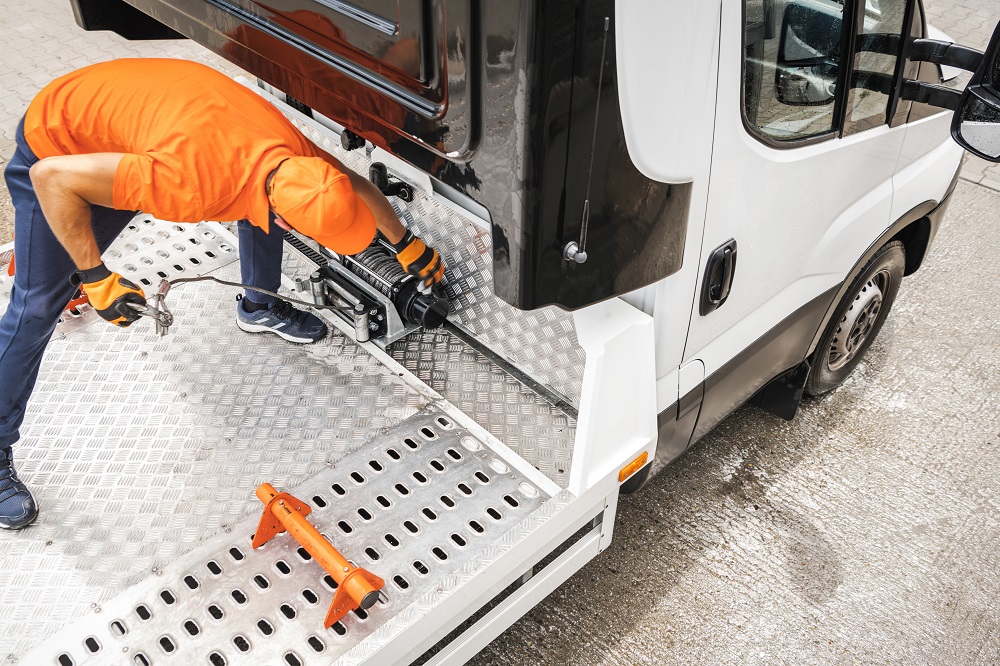
    Winch trucks combine mobility with heavy lifting and pulling capabilities, making them ideal for industrial and off-road tasks. These vehicles are often used for transporting equipment, recovering stuck machinery, and handling large loads in remote locations. Companies such as Watkins Mfg Inc. provide solutions for winch truck sales, builds, and repairs, ensuring these trucks remain reliable and ready for tough jobs. With strong winches, reinforced chassis, and versatile attachments, winch trucks are adaptable to a variety of challenges.

    Operators appreciate their durability and ability to perform in demanding environments. Safety features, including load limiters and stabilizers, help prevent accidents during operation. By enhancing operational efficiency, winch trucks are a smart investment for heavy industrial work.

    Forklifts and Material Handlers: Precision in Transport

    Forklifts and material handlers are essential for moving heavy goods within industrial facilities. They are designed to lift, transport, and place materials safely and efficiently. Electric and diesel-powered forklifts cater to different working conditions, from warehouses to outdoor construction yards.

    Material handlers often include extendable arms and rotating platforms to reach high or awkward spaces. Proper training and maintenance are critical for safe operation, reducing the risk of accidents. These machines minimize manual labor while improving workflow and productivity. In industrial settings, forklifts and material handlers ensure that operations remain smooth and well-organized.

    Heavy-Duty Trucks and Haulers: The Lifeline of Industry

    Transporting large quantities of materials is crucial for keeping industrial projects on schedule. Heavy-duty trucks and haulers are engineered to handle oversized loads over long distances. Their robust engines and reinforced frames ensure reliability even under extreme conditions.

    Some models feature specialized beds for dumping, carrying, or towing heavy materials. These vehicles are indispensable in construction, mining, and large-scale logistics. Proper maintenance and skilled operators are essential for safe and efficient operation. By connecting work sites and resources, heavy-duty trucks and haulers form the backbone of industrial transportation networks.

    Conclusion

    Heavy industrial work relies on a combination of strength, precision, and reliability. Machines like excavators, bulldozers, cranes, winch trucks, forklifts, and heavy-duty haulers all play specific roles that complement each other. Investing in well-maintained equipment ensures safety and maximizes productivity.

    Technological advancements continue to improve efficiency, safety, and versatility in industrial machinery. Whether you are moving earth, lifting heavy loads, or transporting materials, the right machines make all the difference. Companies that understand and utilize these vehicles effectively gain a competitive edge. Ultimately, heavy industrial machines and vehicles are the driving force behind modern infrastructure and development.

  • Gold CFDs vs Physical Gold: What’s the Difference?

    Gold CFDs vs Physical Gold: What’s the Difference?

    Gold has always held a special place in global markets. For centuries, investors turned to it as a symbol of stability, security and long-term value. Even today, during periods of market uncertainty, gold retains its reputation as a haven. Yet the way investors access gold has evolved, and modern trading now offers more than simply buying physical bars or coins. One of the most popular alternatives is trading gold via Contracts for Difference (CFDs). While both approaches revolve around the same underlying asset, they differ in important ways that influence risk, flexibility and long-term strategy.

    Understanding these differences is essential for anyone considering gold as part of their portfolio. Whether you’re a traditional investor who prefers tangible assets or a market-focused trader seeking short-term opportunities, knowing how each method works can help you choose the path that best aligns with your goals.

    The Appeal of Physical Gold

    Physical gold remains one of the oldest and most recognisable forms of investment. Holding bars, coins, or jewellery offers a sense of security that digital or derivative products simply cannot replicate. Many investors appreciate the psychological comfort of owning a physical asset that has retained value across civilisations and economic cycles.

    However, the tangible nature of physical gold is both its strength and its limitation. Purchasing and storing gold come with additional logistical considerations. Secure storage is essential, whether in a private vault or a bank safety box, and this often means ongoing fees. Insurance costs can also accumulate over time, which impacts long-term returns. Liquidity is another factor. While gold is widely traded around the world, converting physical holdings into cash requires appraisal, verification and a willing buyer, all of which take time.

    Despite these challenges, physical gold continues to attract investors who prioritise stability, wealth preservation and a hands-on approach to their assets. Its value is largely independent of many financial markets, making it a preferred hedge against inflation and geopolitical uncertainty. For individuals building generational wealth or seeking diversification, its role remains significant.

    How Gold CFDs Work

    Gold CFDs create a different experience. Instead of owning gold directly, traders speculate on the price movement of gold in the market. A CFD allows someone to take a position on whether gold will move up or down, without having to buy or store the asset itself. This positions gold CFDs as a flexible, market-driven alternative suited to active traders.

    One of the most notable features of CFDs is leverage. This allows a trader to open larger positions with a smaller upfront investment. While leverage amplifies potential profits, it also increases the level of risk, which makes responsible risk management essential. Because of this, gold CFDs tend to appeal to those who follow short-term price action, monitor global events and are comfortable navigating fast-moving markets.

    For traders who value speed, accessibility and flexibility, CFDs provide an efficient entry point into the gold market. With platforms like ADSS offering access to global instruments, many investors use CFDs as a way to capture movement in the gold market without the complexities of physical ownership.

    Comparing Stability and Short-Term Opportunity

    The core difference between gold CFDs and physical gold lies in the balance between long-term stability and short-term opportunity. Physical gold behaves much like a traditional store of value. Its price movements tend to reflect broader macroeconomic trends, such as inflation concerns, currency fluctuations or geopolitical events. It moves at a slower pace, making it suitable for those who prefer stability over frequent decision-making.

    Gold CFDs, on the other hand, allow traders to take advantage of short-term volatility. Economic announcements, interest rate decisions and market sentiment all influence gold prices throughout the trading day. Traders who understand these dynamics can use CFDs to capitalise on quick opportunities, often in both rising and falling markets. This dual-direction trading is a major strength of CFDs. Physical gold, in contrast, typically benefits only when prices rise.

    Cost Considerations and Practical Differences

    Cost is often an overlooked but influential factor when comparing these two approaches. Physical gold comes with premiums above spot price, storage fees, insurance and potential resale costs. These can accumulate significantly over time. For high-net-worth individuals storing large amounts, this can become a substantial long-term expense.

    CFDs streamline many of these costs. There is no need for physical handling, transport or storage. Instead, traders focus on spreads, commissions (depending on the broker) and overnight financing charges for positions held beyond a day. These costs can be more transparent, but they also require active management. Keeping track of financing fees is particularly important for traders holding longer-term CFD positions, as these costs can erode profits.

    Conclusion

    Gold will likely remain an essential part of global portfolios for decades to come. Whether you choose physical gold or gold CFDs, understanding the differences empowers you to make decisions that reflect your goals and risk appetite. Each method offers advantages, from the security of tangible assets to the flexibility of leveraged trading.

    By assessing your priorities and considering how each option fits into your broader strategy, you gain a clearer sense of which path supports your financial journey. In a market shaped by uncertainty and opportunity, informed choices are the key to confidence.

  • How Otter PR Handles Crisis Communication for High-Stakes Clients

    In high-stakes industries—tech, law, real estate, healthcare—bad press spreads fast. One lawsuit, one viral complaint, or even a poorly worded tweet can shake your credibility overnight. That’s why smart businesses and executives don’t wait until they’re under fire to think about crisis management—they partner with a trusted publicist before the first spark hits.

    At Otter PR, we specialize in guiding high-stakes clients through complex, high-pressure moments with strategy, speed, and absolute discretion. Crisis communication is one of the most crucial services a public relations agency can offer, and it’s something we don’t take lightly.

    First, we start with prevention. Our team works with clients to build out crisis communication plans before an issue occurs. These include custom response templates, pre-approved language for key scenarios, and a streamlined approval process for urgent statements. The goal? When something goes wrong, your response isn’t delayed—or worse, reactive and messy.

    When a crisis does hit, we act fast. Our publicists immediately assess the situation, monitor online chatter and media sentiment, and coordinate internal messaging across all channels. That includes press statements, internal communication scripts, and even social media posts designed to calm tensions, not fan the flames.

    What’s even better is that we don’t rely on guesswork. Our crisis team includes experienced media pros, former journalists, and legal advisors who understand not just how to write a response, but how it will be perceived by the public, the media, and stakeholders.

    And no, we don’t believe in hiding. Transparency, tone, and timing are key. A vague apology or silence can do more damage than the original mistake. Otter PR helps clients own the story and control the narrative with honesty and professionalism.

    Whether you’re a tech CEO, a top real estate developer, a managing partner at a law firm, or a high-profile medical provider, reputation isn’t just valuable—it’s fragile. One misstep can create lasting headlines. A skilled publicist ensures your side of the story is heard—and understood.

    Otter PR has handled crisis communications for clients across Miami, Los Angeles, and New York City, always with one goal: to protect and rebuild trust. Book a strategy call today. Because in PR, you can’t always prevent a storm, but you can be ready for it.

    This post was written by a professional at Otter Public Relations. Otter Public Relations is the fastest-growing public relations agency Miami and its growing team of 35+ publicists and media partners focus on getting your story told in the local and national media. Let Otter PR support your business in; Media relations, Crisis Communications, and Reputation Management.

  • From Startup to Standout: Building a Brand That Lasts

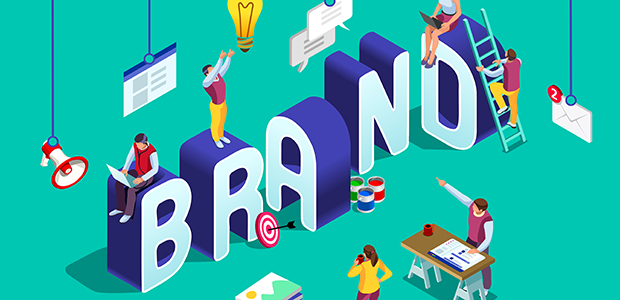
    From Startup to Standout: Building a Brand That Lasts

    In today’s fast-paced digital world, starting a business is easier than ever but building a brand that endures? That’s a whole different challenge.

    Many startups launch with a great idea, but not all evolve into trusted, long-term brands. What sets lasting brands apart isn’t just innovation — it’s consistency, clarity, connection, and community.

    Whether you’re in the early stages or already scaling, here’s how to build a brand that doesn’t just survive — it stands out and stays relevant.

    1. Start With a Purpose, Not Just a Product

    Great brands are rooted in something deeper than what they sell. They’re driven by a mission a reason to exist beyond profit. Your purpose gives your audience a reason to care and your team a reason to stay inspired.

    Ask yourself: What problem are you solving, and why does it matter?

    Example: Patagonia isn’t just about outdoor gear; it’s about saving the planet. That purpose fuels every decision they make.

    2. Define Your Brand Personality

    Your brand is more than a logo. It’s how people feel when they see, hear, or interact with you. Whether your tone is playful, professional, bold, or nurturing — consistency builds recognition and trust.

    Develop a brand voice: Would your brand speak like a friend? A coach? A teacher?

    Pro tip: Create a brand style guide that outlines tone, colors, fonts, and visual themes and use it everywhere.

    3. Know Your Audience Like You Know Your Product

    Your brand doesn’t exist in a vacuum. It’s built in the minds of your audience. Understand their values, pain points, goals, and habits. When you know who you’re talking to, your messaging becomes magnetic.

    Start with real feedback. Surveys, social listening, and analytics can uncover the emotional drivers behind buying behavior.

    Tip: Build customer personas and refer to them when creating content or launching new features.

    4. Tell Stories, Not Just Stats

    People remember stories. Whether it’s your origin story, a customer success tale, or a behind-the-scenes moment — storytelling humanizes your brand. It’s how trust is built and emotion is sparked.

    Share wins, challenges, and real experiences — not just promotions.

    Use multiple formats: Video, blog posts, social media threads, or even podcast episodes.

    5. Deliver a Consistent Experience, Everywhere

    From your website and emails to packaging and customer support, every touchpoint is a chance to reinforce your brand.

    Ask: Does your entire customer journey reflect the same tone, values, and care?

    Real impact: A cohesive experience fosters loyalty and word-of-mouth advocacy.

    6. Adapt Without Losing Your Identit

    The best brands evolve but they don’t lose what makes them special. As trends shift, markets change, and technology advances, make sure your brand keeps up without losing its core DNA.

    Keep your mission and values steady, even if your products, design, or messaging evolves.

    Example: Apple has changed drastically since the ’80s but its focus on design, simplicity, and innovation remains unchanged.

    7. Build Community, Not Just Customers

    The strongest brands create a sense of belonging. People don’t just buy from them — they feel part of something. Whether it’s an online forum, social media, events, or a newsletter invest in building your tribe.

    Encourage conversation, user-generated content, and feedback.

    Tip: Show your customers that they matter. Celebrate their wins, share their stories, and listen often.

    From Startup to Standout

    Building a brand that lasts isn’t about overnight success it’s about showing up with clarity, intention, and heart over time. It’s about being known for something, staying true to it, and evolving with purpose.

    Because in a world full of noise, the brands that stand out are the ones that stand for something and show it in everything they do.

  • The Future of Entrepreneurship: Trends Every Business Leader Should Know

    The Future of Entrepreneurship: Trends Every Business Leader Should Know

    Entrepreneurship is evolving at a rapid pace. The same instincts that once drove business success ambition, resilience, and innovation still matter, but today’s landscape demands something more: adaptability in a world driven by technology, values, and speed.

    Whether you’re launching a startup or leading a growing business, understanding where entrepreneurship is headed can help you stay ahead of the curve. Here are the key trends shaping the future of entrepreneurship and how you can harness them to build something lasting.

    1. Purpose-Driven Businesses Are Winning

    Consumers today don’t just buy products; they invest in brands whose values align with their own. Entrepreneurs who lead with purpose — whether it’s sustainability, diversity, mental wellness, or social justice — are building deeper customer loyalty and standing out in saturated markets.

    Future Move: Define your “why.” Make your mission part of your brand identity and storytelling.

    2. Remote Work Is Here to Stay

    The rise of remote work has transformed how businesses are built. Entrepreneurs now hire talent globally, reduce overhead costs, and scale without physical borders.

    Future Move: Design your operations for flexibility. Use cloud-based tools, foster digital culture, and hire based on skills — not ZIP codes.

    3. Automation and AI Are Reshaping Workflows

    Entrepreneurs are increasingly using automation and artificial intelligence to save time, cut costs, and make smarter decisions. From automating customer service to using AI for content, marketing, and analytics — the tools are more accessible than ever.

    Future Move: Start small with automation in admin tasks, and explore AI tools that complement your strengths.

    4. The Rise of the Creator Economy

    Entrepreneurship is no longer limited to tech founders or product inventors. Creators — bloggers, influencers, podcasters, and educators — are becoming business owners. They build communities and monetize through memberships, merch, and digital products.

    Future Move: If you have a skill, passion, or perspective — share it online. Content is currency in the new economy.

    5. Niche Markets Are Goldmines

    Mass markets are crowded. The real opportunity lies in micro-niches — tightly defined audiences with specific needs. Entrepreneurs who can serve a small, passionate customer base with tailored solutions are building loyal followings and sustainable brands.

    Future Move: Don’t try to serve everyone. Find your niche, and speak their language deeply and authentically.

    6. Sustainable and Ethical Business Is the New Standard

    Sustainability is no longer optional. From packaging to sourcing, customers are asking: “What impact does this have?” Entrepreneurs are responding by designing eco-conscious and transparent businesses from the ground up.

    Future Move: Audit your practices. Even small steps toward greener operations can boost your brand and build trust.

    7. Digital Payments and Fintech Are Empowering Growth

    With digital wallets, crypto, and mobile-first banking on the rise, entrepreneurs now have more financial tools than ever. Managing cash flow, taking payments, and securing funding is increasingly frictionless.

    Future Move: Leverage fintech tools for smart budgeting, quick payments, and financial insights that power better decisions.

    8. Education is Continuous (and Often Free)

    The modern entrepreneur never stops learning — and thankfully, they don’t have to pay thousands for it. Courses, podcasts, online communities, and YouTube tutorials provide instant access to skills once locked in boardrooms and MBA programs.

    Future Move: Dedicate time each week to upskill. Be the kind of leader who learns fast and adapts even faster.

    The Entrepreneur of the Future

    Tomorrow’s successful entrepreneur isn’t just a builder — they’re a learner, listener, innovator, and community leader. They balance purpose with profit, use tech as a tool (not a crutch), and prioritize impact over ego.

    The future of entrepreneurship belongs to those who are bold enough to rethink the rules, embrace the trends, and build with heart.

  • How Small Businesses Can Compete in a Digital-First World

    How Small Businesses Can Compete in a Digital-First World

    In today’s fast-paced, tech-driven world, businesses are no longer just competing on storefronts or local networks they’re operating in a digital-first landscape where online presence, automation, and adaptability determine who thrives.

    For small businesses, this might sound like an uphill battle. But the truth is, being small can be a superpower if you know how to leverage the digital space.

    Here’s how small businesses can stay competitive, even against larger, more established players:

    1. Embrace Agility Over Size

    The biggest advantage small businesses have? Speed. While larger corporations often take months to pivot or implement change, small businesses can adapt quickly to:

    • New trends
    • Customer feedback
    • Market shifts

    Use this to your advantage by staying lean, listening closely to your customers, and being willing to iterate fast.

    2. Build a Powerful Digital Presence

    In a digital-first world, your website and social media are your storefront. They’re often the first impression customers will have.

    Make sure you:

    • Have a professional, mobile-friendly website
    • Are active on relevant social platforms
    • Use SEO strategies to be found in local and niche searches
    • Create engaging content (like videos, blogs, or how-tos)

    This creates trust, increases visibility, and makes your brand feel established — even if you’re just starting out.

    3. Automate the Right Things

    Automation isn’t just for big companies. Today, small businesses can easily streamline:

    • Email marketing
    • Customer onboarding
    • Invoicing and payments
    • Appointment scheduling

    Tools like Mailchimp, Zapier, Calendly, or Stripe can save hours each week, freeing you up to focus on growth and customer experience.

    4. Use Data to Make Smarter Decision

    You don’t need a full-time analyst to understand your business. With tools like Google Analytics, Shopify dashboards, or CRM insights, you can:

    • Track what’s working and what’s not
    • Learn more about your customer behaviors
    • Adjust strategies based on real-time feedback

    Data gives you confidence — and reduces guesswork.

    5. Prioritize Customer Experience (Always)

    What sets small businesses apart in a digital-first world? Human connection. Use your size to create a personal, memorable experience.

    That might mean:

    • Sending handwritten thank-you notes
    • Offering quick, personal responses on social media
    • Remembering repeat customers’ names or preferences
    • Providing custom solutions where others can’t

    A great customer experience leads to loyalty, referrals, and glowing reviews — the most powerful form of digital marketing.

    6. Collaborate and Cross-Promote

    Big brands compete. Small businesses collaborate. Partner with other local or online small businesses to:

    • Run promotions or giveaways
    • Bundle services or products
    • Share audiences through social media or newsletters

    These partnerships expand your reach and strengthen your brand without increasing your budget.

    7. Think Global, Act Local

    Digital tools allow you to sell or promote anywhere in the world but don’t lose sight of your local advantage. Highlight your roots, your values, and your community connections. Being relatable and authentic is a powerful edge in an overly polished online world.

    Final Thought: Digital Doesn’t Mean Distant

    Being digital-first doesn’t mean losing your heart or uniqueness. In fact, it’s the opposite: it’s about amplifying what makes you you and bringing that to a wider, more connected audience.

    Small businesses that embrace tech while staying true to their values are not just surviving in the digital age they’re leading it.

    So take that first step. Go digital, stay human, and compete on your own terms.

Design a site like this with WordPress.com
Get started