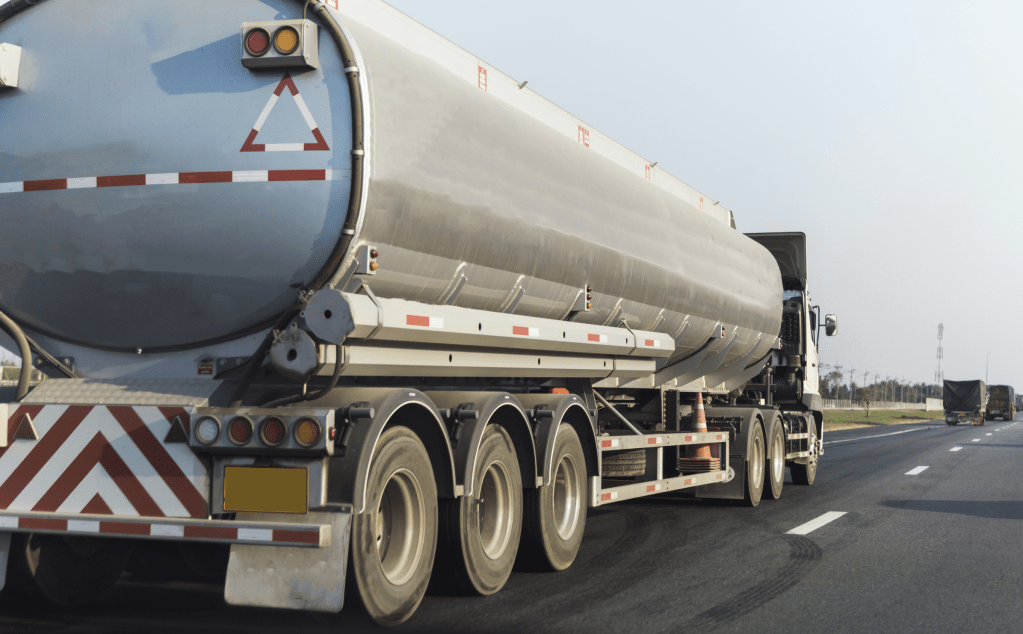
Trucking companies keep supply chains moving, and their success depends on more than just trucks and drivers. Behind every on-time delivery is a careful balance of logistics and fuel planning. These strategies help businesses stay efficient, reduce costs, and meet tight deadlines. By combining smart scheduling with resource management, trucking companies can overcome challenges such as traffic delays, rising fuel prices, and unpredictable road conditions.
Strategic Route Planning for Efficiency
Route planning is one of the most important parts of logistics. Trucking companies use advanced mapping tools and logistics software to design routes that save time and fuel. These systems analyze traffic patterns, weather conditions, and delivery deadlines to create the most efficient paths.
By anticipating construction zones or heavy traffic, dispatchers can reroute trucks before problems occur. This proactive approach reduces wasted miles and ensures that deliveries remain consistent. For drivers, it means less stress and more predictable schedules, which improves overall performance.
Coordinated Scheduling Across Fleets
Managing a fleet requires precise coordination. Logistics teams schedule pickups and drop-offs in ways that maximize productivity while minimizing downtime. This involves balancing driver availability, vehicle maintenance, and customer requirements. A well-structured schedule keeps trucks moving and prevents bottlenecks at warehouses or delivery points.
For customers, this translates into dependable service and fewer missed deadlines. Coordinated scheduling also helps trucking companies build stronger relationships with clients by consistently meeting expectations.
Fuel Planning as a Cost-Saving Strategy
Fuel is one of the largest expenses in trucking, making fuel planning essential. Companies monitor consumption rates, compare fuel prices across regions, and schedule refueling stops strategically. This reduces unnecessary detours and helps control costs.
Fuel planning also allows businesses to forecast expenses more accurately, which is vital for budgeting and profitability. With fuel prices often fluctuating, efficient planning ensures that companies remain competitive while keeping deliveries on schedule. For drivers, it means fewer unexpected stops and smoother journeys.
Gas Delivery Services for On-Site Refueling
Many trucking businesses now rely on gas delivery services to keep their fleets running without interruption. These services bring fuel directly to trucks at depots or job sites, eliminating the need for drivers to search for stations during long hauls. On-site refueling saves time, reduces downtime, and keeps trucks on the road longer.
By integrating gas delivery into logistics planning, companies streamline operations and improve efficiency. This approach is especially valuable for large fleets that need consistent fueling to maintain tight schedules.
Technology Integration for Real-Time Monitoring
Modern trucking relies heavily on technology. GPS tracking, telematics, and logistics software provide real-time insights into fleet performance. Dispatchers can monitor fuel usage, driver behavior, and route progress instantly. If delays occur, they can reroute trucks or adjust schedules to maintain efficiency.
Real-time monitoring also improves safety by alerting managers to issues such as excessive idling or mechanical problems. With technology integrated into logistics and fuel planning, trucking companies gain the flexibility to adapt quickly and keep deliveries on track.
Built Reliability Through Logistics and Fuel Planning
Reliability is the foundation of successful trucking operations. By combining logistics strategies with fuel planning, companies deliver consistent service even in challenging conditions. Optimized routes, coordinated schedules, cost-effective fueling, and gas delivery services all contribute to punctuality.
These practices not only improve efficiency but also enhance customer satisfaction. In a competitive industry, reliability sets businesses apart and strengthens their reputation. When logistics and fuel planning are aligned, trucking businesses not only meet deadlines but also build a reputation for dependability that keeps customers coming back.
Conclusion
Trucking businesses thrive when logistics and fuel planning work together. Strategic scheduling, efficient refueling, and real-time monitoring ensure that fleets stay on track and customers receive their goods on time. As the industry continues to evolve, companies that invest in these practices will remain leaders in reliability and efficiency.


Leave a Reply