Tag: artificial-intelligence

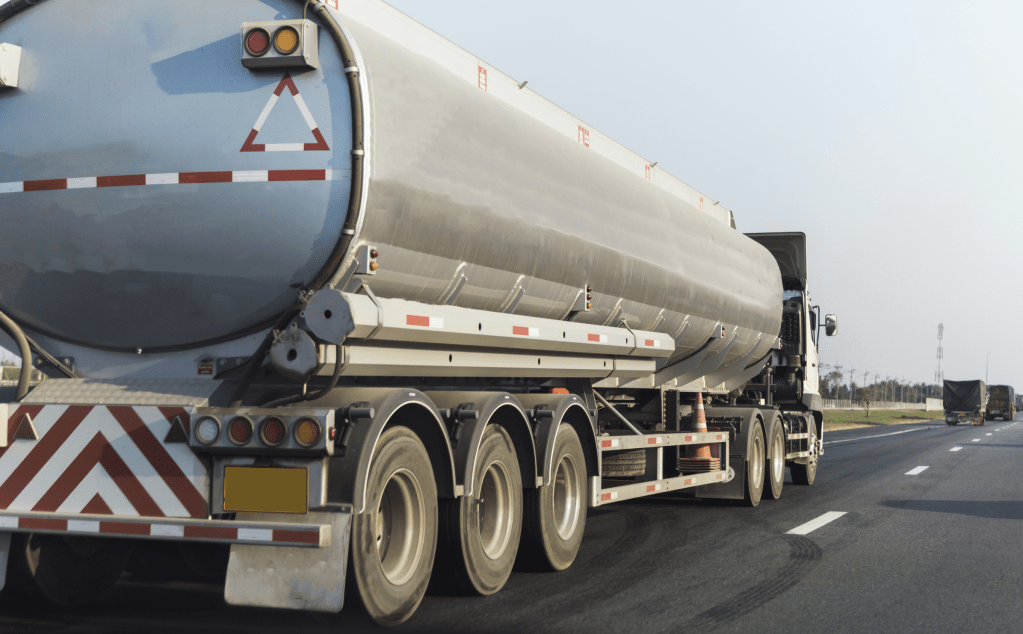
  • How Trucking Businesses Use Logistics and Fuel Planning to Stay on Schedule

    How Trucking Businesses Use Logistics and Fuel Planning to Stay on Schedule

    Trucking companies keep supply chains moving, and their success depends on more than just trucks and drivers. Behind every on-time delivery is a careful balance of logistics and fuel planning. These strategies help businesses stay efficient, reduce costs, and meet tight deadlines. By combining smart scheduling with resource management, trucking companies can overcome challenges such as traffic delays, rising fuel prices, and unpredictable road conditions.

    Strategic Route Planning for Efficiency

    Route planning is one of the most important parts of logistics. Trucking companies use advanced mapping tools and logistics software to design routes that save time and fuel. These systems analyze traffic patterns, weather conditions, and delivery deadlines to create the most efficient paths.

    By anticipating construction zones or heavy traffic, dispatchers can reroute trucks before problems occur. This proactive approach reduces wasted miles and ensures that deliveries remain consistent. For drivers, it means less stress and more predictable schedules, which improves overall performance.

    Coordinated Scheduling Across Fleets

    Managing a fleet requires precise coordination. Logistics teams schedule pickups and drop-offs in ways that maximize productivity while minimizing downtime. This involves balancing driver availability, vehicle maintenance, and customer requirements. A well-structured schedule keeps trucks moving and prevents bottlenecks at warehouses or delivery points.

    For customers, this translates into dependable service and fewer missed deadlines. Coordinated scheduling also helps trucking companies build stronger relationships with clients by consistently meeting expectations.

    Fuel Planning as a Cost-Saving Strategy

    Fuel is one of the largest expenses in trucking, making fuel planning essential. Companies monitor consumption rates, compare fuel prices across regions, and schedule refueling stops strategically. This reduces unnecessary detours and helps control costs.

    Fuel planning also allows businesses to forecast expenses more accurately, which is vital for budgeting and profitability. With fuel prices often fluctuating, efficient planning ensures that companies remain competitive while keeping deliveries on schedule. For drivers, it means fewer unexpected stops and smoother journeys.

    Gas Delivery Services for On-Site Refueling

    Many trucking businesses now rely on gas delivery services to keep their fleets running without interruption. These services bring fuel directly to trucks at depots or job sites, eliminating the need for drivers to search for stations during long hauls. On-site refueling saves time, reduces downtime, and keeps trucks on the road longer.

    By integrating gas delivery into logistics planning, companies streamline operations and improve efficiency. This approach is especially valuable for large fleets that need consistent fueling to maintain tight schedules.

    Technology Integration for Real-Time Monitoring

    Modern trucking relies heavily on technology. GPS tracking, telematics, and logistics software provide real-time insights into fleet performance. Dispatchers can monitor fuel usage, driver behavior, and route progress instantly. If delays occur, they can reroute trucks or adjust schedules to maintain efficiency.

    Real-time monitoring also improves safety by alerting managers to issues such as excessive idling or mechanical problems. With technology integrated into logistics and fuel planning, trucking companies gain the flexibility to adapt quickly and keep deliveries on track.

    Built Reliability Through Logistics and Fuel Planning

    Reliability is the foundation of successful trucking operations. By combining logistics strategies with fuel planning, companies deliver consistent service even in challenging conditions. Optimized routes, coordinated schedules, cost-effective fueling, and gas delivery services all contribute to punctuality.

    These practices not only improve efficiency but also enhance customer satisfaction. In a competitive industry, reliability sets businesses apart and strengthens their reputation. When logistics and fuel planning are aligned, trucking businesses not only meet deadlines but also build a reputation for dependability that keeps customers coming back.

    Conclusion

    Trucking businesses thrive when logistics and fuel planning work together. Strategic scheduling, efficient refueling, and real-time monitoring ensure that fleets stay on track and customers receive their goods on time. As the industry continues to evolve, companies that invest in these practices will remain leaders in reliability and efficiency.
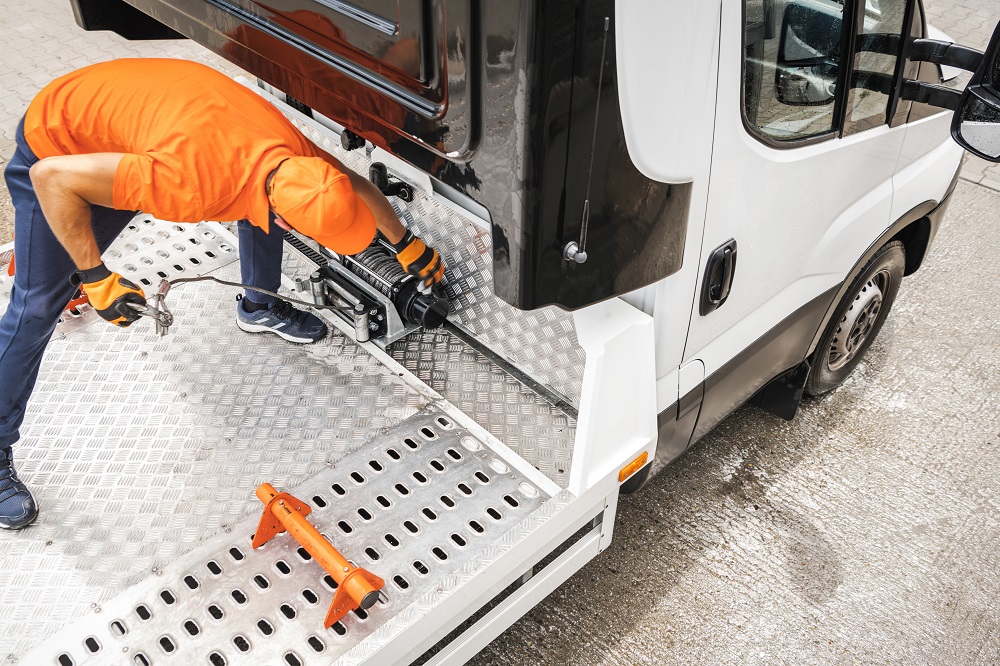
  • Power in Motion: Essential Machines and Vehicles for Heavy Industrial Work

    Power in Motion: Essential Machines and Vehicles for Heavy Industrial Work

    Heavy industrial work demands strength, reliability, and efficiency, and that’s why the right machines and vehicles are critical. From construction sites to mining operations, these powerful tools keep projects moving forward safely and on time. Understanding the types of equipment used in these environments can help businesses make informed decisions and maximize productivity. Whether moving massive materials or performing precise tasks, each machine has a specific role.

    Technological advancements have also made modern equipment more versatile and safer for operators. In this post, we’ll explore some of the most essential machines and vehicles that drive heavy industrial work every day. By the end, you’ll have a clearer picture of what makes these industrial powerhouses indispensable.

    Heavy-Duty Excavators: The Backbone of Earthmoving

    Excavators are fundamental in industries that require large-scale earthmoving. These machines can dig, lift, and move soil, rocks, and debris with incredible efficiency. Modern excavators come with advanced hydraulics, allowing operators to perform precise tasks even in tight spaces. They are commonly used in construction, mining, and infrastructure projects.

    Some models feature extendable arms for reaching deep trenches or high loads, enhancing versatility. Safety features, such as cameras and sensors, reduce the risk of accidents on busy sites. Ultimately, excavators save time and labor, proving themselves as essential workhorses in heavy industrial settings.

    Bulldozers: Pushing the Limits

    Bulldozers are designed for strength and stability, making them perfect for clearing land and moving heavy materials. Equipped with wide, flat blades, they can push large amounts of earth, rocks, or debris efficiently. These machines are often used in construction, forestry, and mining operations where surface leveling is required.

    The tracks on bulldozers provide excellent traction, even on uneven or muddy terrain. Some models come with attachments that expand their functionality, such as rippers for breaking up hard ground. Operators rely on bulldozers to prepare sites quickly and safely. By maintaining steady control, bulldozers play a critical role in large-scale industrial projects.

    Cranes: Lifting Beyond Limits

    Cranes are vital for lifting and moving heavy loads vertically and horizontally. Tower cranes, crawler cranes, and mobile cranes are among its many varieties, each of which is appropriate for a particular job. Cranes are used in construction, shipping yards, and heavy manufacturing facilities. Advanced cranes often include automated controls to improve precision and efficiency. They allow workers to position heavy components with minimal manual effort. Regular maintenance ensures that cranes operate safely under demanding conditions. Their ability to handle massive weights makes cranes indispensable for projects requiring both height and reach.

    Winch Trucks: Versatility in Motion

    Winch trucks combine mobility with heavy lifting and pulling capabilities, making them ideal for industrial and off-road tasks. These vehicles are often used for transporting equipment, recovering stuck machinery, and handling large loads in remote locations. Companies such as Watkins Mfg Inc. provide solutions for winch truck sales, builds, and repairs, ensuring these trucks remain reliable and ready for tough jobs. With strong winches, reinforced chassis, and versatile attachments, winch trucks are adaptable to a variety of challenges.

    Operators appreciate their durability and ability to perform in demanding environments. Safety features, including load limiters and stabilizers, help prevent accidents during operation. By enhancing operational efficiency, winch trucks are a smart investment for heavy industrial work.

    Forklifts and Material Handlers: Precision in Transport

    Forklifts and material handlers are essential for moving heavy goods within industrial facilities. They are designed to lift, transport, and place materials safely and efficiently. Electric and diesel-powered forklifts cater to different working conditions, from warehouses to outdoor construction yards.

    Material handlers often include extendable arms and rotating platforms to reach high or awkward spaces. Proper training and maintenance are critical for safe operation, reducing the risk of accidents. These machines minimize manual labor while improving workflow and productivity. In industrial settings, forklifts and material handlers ensure that operations remain smooth and well-organized.

    Heavy-Duty Trucks and Haulers: The Lifeline of Industry

    Transporting large quantities of materials is crucial for keeping industrial projects on schedule. Heavy-duty trucks and haulers are engineered to handle oversized loads over long distances. Their robust engines and reinforced frames ensure reliability even under extreme conditions.

    Some models feature specialized beds for dumping, carrying, or towing heavy materials. These vehicles are indispensable in construction, mining, and large-scale logistics. Proper maintenance and skilled operators are essential for safe and efficient operation. By connecting work sites and resources, heavy-duty trucks and haulers form the backbone of industrial transportation networks.

    Conclusion

    Heavy industrial work relies on a combination of strength, precision, and reliability. Machines like excavators, bulldozers, cranes, winch trucks, forklifts, and heavy-duty haulers all play specific roles that complement each other. Investing in well-maintained equipment ensures safety and maximizes productivity.

    Technological advancements continue to improve efficiency, safety, and versatility in industrial machinery. Whether you are moving earth, lifting heavy loads, or transporting materials, the right machines make all the difference. Companies that understand and utilize these vehicles effectively gain a competitive edge. Ultimately, heavy industrial machines and vehicles are the driving force behind modern infrastructure and development.

Design a site like this with WordPress.com
Get started