
Author: murphymelissa710

  • How Do PR Points and Salary Expectations Affect Your Plans to Move to Canada?

    How Do PR Points and Salary Expectations Affect Your Plans to Move to Canada?

    Keywords: what is the average salary in Canada, canada pr points calculator, top immigration consultants in delhi

    Have you ever wondered that you have strong professional work experience but your Canada PR score is not good enough? Or what you are eligible for PR but your salary demand expectations are not as per the market standards? Qualified workers who wish to immigrate to Canada need to fulfill immigration requirements. Professional work experience, qualifications, PR points, language proficiency and anticipated earnings can all influence your career and immigration goals.

    Comprehending how certain factors work together can help candidates make a more informed decision about their career opportunities, eligibility requirements and long term settlement plans.

    Understanding Canada PR Points

    Canada uses the CRS score system to rank qualified applicants in the Express Entry pool. Applicants gets points based on certain factors, including:

    • Age
    • Qualification
    • Language proficiency
    • Professional work experience
    • Canadian work experience
    • Spouse or partner factors
    • Additional qualifications

    Applicants with high and good CRS scores might have a strong chance of getting an Invitation to Apply( ITA), entirely dependent on the type of Express Entry draw and its cut- off score. Since invitations, eligibility criteria can vary between draws. Candidates should check the latest updates.

    How Can You Improve Your PR Score?

    Candidates can strengthen their chances of getting an ITA, via improving French or English language results, obtaining additional professional work experience relevant to their field, completing higher education, or exploring a PNP program, if eligible.

    A provincial nomination can significantly increase an applicant’s prospects of obtaining an ITA. Before selecting a strategy, candidates should ascertain which possibilities are relevant to their particular profile.

    How Do Salary Expectations Matter?

    Although salary is not directly associated with calculating your CRS score, it remains a crucial consideration while planning your immigration journey to Canada.

    Your earnings can depend on certain factors, which include:

    • Industry and occupation
    • Work experience
    • Qualification and education
    • City or Province
    • Requirements of your skills
    • Employer

    Skilled professionals working in healthcare, engineering, technological, management, finance and skilled trades may have different income opportunities. Even working in the same industry, does not necessarily mean that your salary will remain the same. Salaries can vary due to experience, skills, specialization and location.

    Therefore, applicants should research employment conditions in their intended province instead of relying on a general salary figure.

    What is the Average Salary in Canada?

    In Canada, there isn’t a single wage that applies to all Based on seasonally adjusted statistics and throughout time, Statistics reported average salary in Canada, weekly earnings of roughly CAD 1,320.46 in January 2026.

    A wide national employment statistic is represented by this figure. It shouldn’t be viewed as a pay guarantee for professionals starting a certain career, immigrants, or Express Entry applicants.

    Applicants should look into salaries for their target area, experience level, and particular occupation for a more accurate approximation. Applicants can also create a realistic settlement budget by comparing their anticipated income with housing, transportation, food, and other living expenses.

    How are PR Points and Salary Expectations Connected?

    Both salary and CRS points can affect your overall immigration even though they are distinct factors.

    For instance, even if a candidate has a competitive CRS profile, they still need to determine if their anticipated income will cover settlement expenses and their desired lifestyle. Obtaining PR is a significant milestone, but it’s just as crucial to know what your post-arrival career can entail.

    In a similar vein, candidates with a lower CRS score could look at measures to raise their profile while investigating provinces and professions with better job prospects.

    When making plans to relocate to Canada, it is crucial to consider both immigration eligibility and professional opportunities.

    Should You Use a Canada PR Points Calculator?

    You may determine your possible CRS score using Canada PR points calculator based on variables including age, education, language ability, and work experience.

    Finding opportunities to improve your profile can be beneficial. For instance, an applicant might find that raising their language proficiency or obtaining more qualifying experience could raise their total CRS score.

    An online calculator, however, should only be used as a preliminary evaluation. Your unique application and the relevant immigration laws will determine your exact CRS score.

    Before making significant decisions, applicants should use the most recent official Canadian immigration update to confirm their eligibility and CRS score.

    What Should Skilled Workers Consider Before Moving?

    Skilled professionals should evaluate their immigration profile alongside their career plans. Start by determining the elements that could raise your CRS score. Investigate the demand for your profession and the reasonable pay range in the province where you plan to settle at the same time.

    Comparing prospective earnings with anticipated living expenses is also helpful. This can help you see more clearly whether your projected income is in line with your financial objectives.

    Since invitation numbers, categories, and CRS cut-offs might change over time, it is equally crucial to monitor Express Entry draws and immigration updates.

    Conclusion

    In the nutshell, skilled professionals should evaluate their immigration profile alongside their career plans.Your overall intentions may be influenced by your CRS score, professional experience, language proficiency, and income expectations.

    You are able to better understand your possible CRS role by using a Canada PR points calculator, and you can have a better idea of your career and settlement possibilities by looking into reasonable wage expectations. However, a top immigration consultant in Delhi can assist in navigating the immigration process easily.

    Moreover, skilled professionals can make better judgments about their future in Canada by taking into account both immigration prospects and income potential.

  • A Practical Guide to Small Business Card Payments

    A Practical Guide to Small Business Card Payments

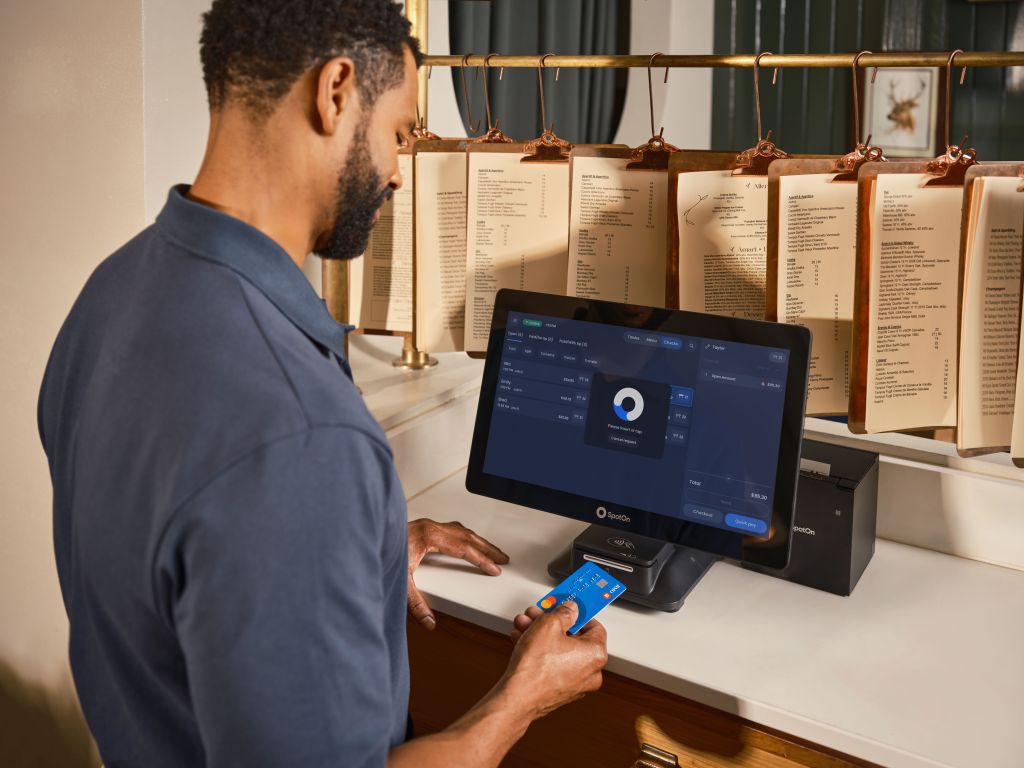
    Accepting credit cards has become a normal part of buying goods and services. For a small business, however, accepting a card payment involves more than having a machine at the checkout counter. Payments pass through several systems before money reaches the business bank account. Understanding this process can help owners make sensible choices about payment methods, costs, security, and customer convenience.

    Understanding The Payment Process

    A credit card payment goes through several stages before the transaction is successfully processed. The card is read by a terminal, payment system, or online checkout, and then the transaction information is sent for authorization. The card network connects the relevant financial institutions, while the issuing bank checks whether the transaction can be approved.

    If the payment is approved, the customer receives confirmation, but the process is not finished yet. The transaction still needs to be settled, allowing the funds to move toward the business bank account. This usually happens through the payment processor and acquiring bank involved in the transaction.

    For this reason, credit card processing for small businesses involves several behind-the-scenes steps that customers rarely notice. A business owner does not necessarily need to understand every technical detail, but knowing the basic flow makes it easier to understand processing fees, payment delays, declined transactions, and other common issues.

    Comparing Processing Costs

    Fees are an important part of accepting card payments. Small businesses may encounter transaction fees, monthly charges, equipment costs, statement fees, or other expenses depending on the provider and pricing arrangement. The exact cost can vary based on the type of card used, transaction method, sales volume, and agreement with the payment processor.

    A business should look beyond a single advertised rate when comparing options. A low percentage may look attractive at first, but additional charges can change the actual cost of accepting payments. Reading the agreement carefully can reveal whether there are recurring fees, minimum charges, cancellation costs, or equipment expenses.

    Processing costs also need to be viewed in relation to the business’s sales. A company that handles many small transactions may experience the fees differently from a business that accepts fewer, higher-value payments. Therefore, looking at expected payment volume can provide a more useful picture than comparing rates alone.

    Supporting Customer Convenience

    Convenience matters beyond physical stores. Businesses that accept payments through websites, invoices, booking systems, or remote sales also need a reliable way to collect money. A customer who has difficulty completing a payment may abandon a purchase, delay an appointment, or contact the business for assistance.

    At the same time, convenience should not come at the expense of security. Payment systems need to protect card information throughout the transaction. Businesses should choose equipment and services that support appropriate security measures, then follow basic practices for protecting accounts, devices, and customer information.

    Choosing Suitable Equipment

    The right payment equipment depends on the way a business operates. A physical store may need a countertop terminal, while a mobile business could benefit from a portable card reader. Restaurants, service providers, professional offices, and online businesses may have different needs based on where and when customers make payments.

    Equipment should also be easy for employees to use. Complicated payment steps can slow down checkout and create unnecessary mistakes. A simple interface can make training easier, reduce confusion, and help employees complete transactions with less interruption to their other responsibilities.

    Protecting Payment Information

    Security deserves careful attention because payment transactions involve financial information. Small businesses should limit access to payment systems, keep software updated, protect account credentials, and train employees to recognize suspicious activity. These steps can reduce avoidable risks while making security part of normal business operations.

    It is also important to understand which security responsibilities belong to the business and which are handled by the payment provider. Depending on the system, businesses may still have obligations related to card data, employee access, devices, and online payment pages.

    Good security practices should continue even when a business is not processing payments. Old terminals, computers, receipts, and other materials may contain information that should be handled properly before disposal. Taking care with payment-related equipment and records can help reduce unnecessary exposure.

    Managing Daily Transactions

    Once a payment system is in place, businesses need a routine for monitoring transactions. Owners may review deposits, refunds, declined payments, chargebacks, and processing statements to make sure activity matches their records. Regular review can make unusual charges easier to spot and may help identify recurring fees that were overlooked.

    Refunds and chargebacks also require attention. A refund happens when a business returns money to a customer, while a chargeback involves a transaction being disputed through the card issuer. Each situation can affect the amount deposited into the business account, so employees should know the proper process for handling them.

    Keeping accurate sales records can make these situations easier to manage. When payment records match invoices, receipts, orders, or appointment details, the business has clearer information available when a transaction needs to be reviewed.

    Planning For Business Growth

    Payment needs can change as a company grows. A business may begin with a simple card reader, then later add online sales, recurring billing, mobile payments, or additional locations. Choosing a payment setup that can adapt to these changes may prevent the business from replacing its entire system whenever a new sales channel is introduced.

    Growth can also change processing costs. As transaction volume increases, a business may have different needs than it did when sales were smaller. Reviewing the payment arrangement from time to time can help owners determine whether the current setup still makes sense for the company’s operations.

    Credit card processing for small business is both a customer service tool and an important part of daily financial management. A suitable system should provide convenient payment options, reasonable costs, dependable equipment, clear transaction records, and appropriate security. By understanding what happens behind each card payment, small business owners can make better decisions about the systems they rely on every day.

  • Cisco Meraki: A Better Way to Manage Networks

    Cisco Meraki: A Better Way to Manage Networks

    Managing a business network can quickly become complicated, especially as more devices, employees, and locations are added. Cisco Meraki offers a simpler approach by combining enterprise-grade networking hardware with cloud-based management. From wireless access points and switches to security appliances, Cisco Meraki allows IT teams to monitor and manage their entire network from one intuitive dashboard. Businesses looking to improve efficiency, strengthen security, and reduce maintenance often find Cisco Meraki to be a practical solution.

    Key Takeaways

    • Cisco Meraki centralizes network management through a cloud-based dashboard.
    • Remote monitoring and troubleshooting save valuable time for IT teams.
    • Built-in security features help protect business data and network traffic.
    • The platform scales easily as businesses expand or open new locations.

    Simplified Network Management

    One of the biggest advantages of Cisco Meraki is its cloud-managed platform. Instead of configuring each networking device individually, administrators can deploy, update, and monitor their infrastructure from virtually anywhere with an internet connection.

    The dashboard provides real-time visibility into network performance, connected devices, and application usage. If an issue arises, IT teams can quickly identify the cause and often resolve it remotely, reducing downtime and minimizing disruptions to daily operations.

    Built-In Security You Can Trust

    Modern businesses face growing cybersecurity challenges, making reliable security more important than ever. Cisco Meraki includes advanced features such as integrated firewalls, VPN support, intrusion detection, content filtering, and secure guest networking.

    These security tools are managed through the same dashboard, making it easier to enforce policies and maintain consistent protection across every office location. Automatic firmware updates also help keep devices protected against emerging threats without requiring extensive manual intervention.

    Ready for Business Growth

    As organizations grow, their networking needs evolve. Cisco Meraki is designed to scale with your business, allowing new devices, users, and locations to be added with minimal effort. This flexibility makes it an excellent choice for businesses planning future expansion.

    At Link US Online, based in Research Triangle Park, NC and serving businesses since 2011, we help organizations source dependable Cisco Meraki hardware along with trusted solutions from Cisco, Aruba, HPE, and Ubiquiti. Our goal is to help businesses save time and reduce costs while building reliable network infrastructures that support long-term success.

    Conclusion

    Cisco Meraki offers businesses a smarter way to manage their networks through centralized cloud management, strong security, and scalable infrastructure. Whether you’re upgrading an existing network or building one from the ground up, Cisco Meraki simplifies administration while delivering the performance modern organizations expect. Partnering with experienced providers like Link US Online ensures you have access to quality networking equipment that supports your business today and as it grows.

    Frequently Asked Questions

    What is Cisco Meraki?

    Cisco Meraki is a cloud-managed networking platform that includes wireless access points, switches, security appliances, and centralized management software.

    Why do businesses choose Cisco Meraki?

    Businesses choose Cisco Meraki because it simplifies network management, improves visibility, enhances security, and supports remote administration.

    Can Cisco Meraki support multiple office locations?

    Yes. Cisco Meraki is designed to manage multiple sites through a single cloud-based dashboard, making it ideal for growing organizations.

    Is Cisco Meraki secure?

    Yes. It includes built-in security features such as firewalls, VPN connectivity, intrusion detection, and content filtering to help protect business networks.

    Where can I purchase Cisco Meraki hardware?

    Businesses can source Cisco Meraki equipment through Link US Online, a trusted IT hardware supplier founded in 2011 and based in Research Triangle Park, NC.

    This post was written by a professional at Link-Us Online. At Link-Us Online, we understand the power of networking and its potential to improve the efficiency of your business. Our team empowers users to discover and acquire high-quality networking hardware from a diverse range of suppliers. We offer a range of industry-leading solutions from top brands such as Cisco, Meraki, HPE, Juniper, APC, Fortinet, and Ubiquiti. Whether you’re a small business owner seeking reliable equipment for your expanding network or someone in the purchasing department working for universities, real estate management companies, or local governments hunting for specific gear, Link-Us Online is your dedicated ally. Contact us if you are looking to  network modules.

  • Essential Services Every Commercial Building Needs

    Essential Services Every Commercial Building Needs

    Commercial buildings need consistent maintenance to remain safe and welcoming for everyone who uses them. Every part of the property, from the roof to the plumbing system, contributes to keeping daily operations running smoothly. When routine maintenance is overlooked, small issues can quickly develop into expensive repairs and unexpected disruptions that affect employees and building tenants. Taking a proactive approach allows property owners and facility managers to address potential problems early before they become more serious and costly to fix.

    Regular maintenance also helps extend the lifespan of essential building systems while preserving the property’s overall value and appearance. With a well-planned maintenance strategy in place, businesses can minimize interruptions and create a more comfortable environment for everyone who visits or works in the building.

    Below are some of the essential services every commercial building should include as part of a comprehensive maintenance plan.

    Commercial Roof Maintenance

    A commercial roof plays a vital role in protecting the entire building from rain, wind, harsh sunlight, and changing weather conditions. Regular inspections make it easier to spot worn materials and small leaks before they turn into larger issues. Addressing minor concerns early helps reduce repair costs and can significantly extend the roof’s service life. Proper maintenance also safeguards equipment and interior spaces from moisture that could interrupt business operations.

    And as part of creating a comprehensive building maintenance plan, many property managers coordinate routine roof inspections with experienced professionals, including companies such as Metal Master. Maintaining the roof also supports better energy efficiency by helping insulation perform effectively and minimizing unwanted air loss. Investing in consistent roof care helps preserve the building’s structural integrity while protecting its long-term value and reliability.

    Commercial Emergency Plumbing

    Plumbing emergencies can happen without warning and quickly interrupt normal business operations. Burst pipes and major leaks can cause extensive damage to equipment, flooring, walls, and valuable inventory if they are not addressed right away. Having access to emergency plumbing services help contain the problem before it leads to more costly repairs and longer disruptions. A fast response also minimizes water damage and restores essential plumbing systems as quickly as possible, allowing businesses to return to normal operations sooner.

    Many companies include the contact information for providers like Duvall Plumbing Co – Tulsa in their emergency preparedness plans so help is always within reach. Combining emergency services with routine plumbing inspections further reduces the risk of unexpected system failures. This proactive approach helps keep commercial buildings safe and prepared to support daily operations with fewer interruptions.

    HVAC System Maintenance

    Heating, ventilation, and air conditioning (HVAC) systems are essential for creating a comfortable and productive indoor environment throughout the year. Regular maintenance helps keep the equipment running efficiently while reducing unnecessary energy consumption and lowering operating costs.

    Replacing clean filters and maintaining proper airflow also contribute to healthier indoor air quality for everyone inside the building. Routine inspections allow technicians to identify worn or damaged parts early, helping prevent unexpected breakdowns during periods of heavy demand. Addressing minor issues before they become major problems can reduce repair costs and minimize disruptions to daily operations.

    A well-maintained HVAC system also delivers more consistent temperatures, creating a comfortable atmosphere for employees and visitors alike. Investing in routine HVAC maintenance extends equipment lifespan and helps keep commercial spaces operating smoothly.

    Electrical System Inspections

    Commercial buildings rely on dependable electrical systems to keep lighting and daily operations running without interruption. As these systems experience constant use, routine inspections become an important part of maintaining their performance and reliability. Regular evaluations can identify aging wiring and other potential concerns before they develop into costly or dangerous problems.

    Taking care of electrical issues early helps reduce the risk of unexpected outages and fire hazards that could disrupt business activities. Preventive maintenance also supports compliance with current electrical safety standards, helping property owners avoid unnecessary risks.

    Experienced electricians can assess system performance and identify worn components while recommending upgrades that improve efficiency and long-term reliability. With consistent inspections and timely maintenance, a commercial building’s electrical infrastructure remains better prepared to support daily operations while providing a safer environment for everyone inside.

    Fire Protection System Maintenance

    Fire protection systems require routine inspections to ensure they are ready when needed most. Sprinkler systems, smoke detectors, alarms, emergency lighting, and fire extinguishers should all be tested according to recommended schedules. Proper maintenance helps confirm that every component functions correctly during an emergency.

    Keeping these systems in good condition also supports compliance with local safety regulations and building requirements. Employees and occupants gain greater peace of mind knowing the building is equipped with dependable fire protection measures.

    Conclusion

    Regular maintenance is essential for preserving the safety and long-term value of any commercial building. Taking a proactive approach allows property owners and facility managers to identify potential issues early, helping reduce costly repairs and minimize unexpected disruptions. Consistent upkeep also supports a safer, more comfortable environment for employees and visitors while keeping daily operations running smoothly. By making maintenance a priority, commercial properties can remain functional and well-prepared for years to come.

  • How Trucking Businesses Use Logistics and Fuel Planning to Stay on Schedule

    How Trucking Businesses Use Logistics and Fuel Planning to Stay on Schedule

    Trucking companies keep supply chains moving, and their success depends on more than just trucks and drivers. Behind every on-time delivery is a careful balance of logistics and fuel planning. These strategies help businesses stay efficient, reduce costs, and meet tight deadlines. By combining smart scheduling with resource management, trucking companies can overcome challenges such as traffic delays, rising fuel prices, and unpredictable road conditions.

    Strategic Route Planning for Efficiency

    Route planning is one of the most important parts of logistics. Trucking companies use advanced mapping tools and logistics software to design routes that save time and fuel. These systems analyze traffic patterns, weather conditions, and delivery deadlines to create the most efficient paths.

    By anticipating construction zones or heavy traffic, dispatchers can reroute trucks before problems occur. This proactive approach reduces wasted miles and ensures that deliveries remain consistent. For drivers, it means less stress and more predictable schedules, which improves overall performance.

    Coordinated Scheduling Across Fleets

    Managing a fleet requires precise coordination. Logistics teams schedule pickups and drop-offs in ways that maximize productivity while minimizing downtime. This involves balancing driver availability, vehicle maintenance, and customer requirements. A well-structured schedule keeps trucks moving and prevents bottlenecks at warehouses or delivery points.

    For customers, this translates into dependable service and fewer missed deadlines. Coordinated scheduling also helps trucking companies build stronger relationships with clients by consistently meeting expectations.

    Fuel Planning as a Cost-Saving Strategy

    Fuel is one of the largest expenses in trucking, making fuel planning essential. Companies monitor consumption rates, compare fuel prices across regions, and schedule refueling stops strategically. This reduces unnecessary detours and helps control costs.

    Fuel planning also allows businesses to forecast expenses more accurately, which is vital for budgeting and profitability. With fuel prices often fluctuating, efficient planning ensures that companies remain competitive while keeping deliveries on schedule. For drivers, it means fewer unexpected stops and smoother journeys.

    Gas Delivery Services for On-Site Refueling

    Many trucking businesses now rely on gas delivery services to keep their fleets running without interruption. These services bring fuel directly to trucks at depots or job sites, eliminating the need for drivers to search for stations during long hauls. On-site refueling saves time, reduces downtime, and keeps trucks on the road longer.

    By integrating gas delivery into logistics planning, companies streamline operations and improve efficiency. This approach is especially valuable for large fleets that need consistent fueling to maintain tight schedules.

    Technology Integration for Real-Time Monitoring

    Modern trucking relies heavily on technology. GPS tracking, telematics, and logistics software provide real-time insights into fleet performance. Dispatchers can monitor fuel usage, driver behavior, and route progress instantly. If delays occur, they can reroute trucks or adjust schedules to maintain efficiency.

    Real-time monitoring also improves safety by alerting managers to issues such as excessive idling or mechanical problems. With technology integrated into logistics and fuel planning, trucking companies gain the flexibility to adapt quickly and keep deliveries on track.

    Built Reliability Through Logistics and Fuel Planning

    Reliability is the foundation of successful trucking operations. By combining logistics strategies with fuel planning, companies deliver consistent service even in challenging conditions. Optimized routes, coordinated schedules, cost-effective fueling, and gas delivery services all contribute to punctuality.

    These practices not only improve efficiency but also enhance customer satisfaction. In a competitive industry, reliability sets businesses apart and strengthens their reputation. When logistics and fuel planning are aligned, trucking businesses not only meet deadlines but also build a reputation for dependability that keeps customers coming back.

    Conclusion

    Trucking businesses thrive when logistics and fuel planning work together. Strategic scheduling, efficient refueling, and real-time monitoring ensure that fleets stay on track and customers receive their goods on time. As the industry continues to evolve, companies that invest in these practices will remain leaders in reliability and efficiency.

  • 5 Practical Structures That Help Businesses Scale Their Storage Space

    5 Practical Structures That Help Businesses Scale Their Storage Space

    Expanding storage is one of the most common challenges businesses face as they grow. Whether it’s inventory, equipment, or seasonal supplies, having the right structure in place can make scaling smoother and more cost-effective. The good news is that there are practical building solutions designed to maximize space, improve efficiency, and support long-term growth.

    Let’s explore five structures that businesses often rely on to scale their storage capacity.

    Modular Warehouses for Flexible Growth

    Modular warehouses are designed with adaptability in mind. They can be expanded or reconfigured as a business’s needs change, making them ideal for companies experiencing rapid growth. Unlike traditional warehouses, modular designs allow sections to be added without disrupting operations. This flexibility helps businesses avoid overcommitting to large facilities before they’re truly needed. The ability to scale up or down ensures that storage space aligns with demand, reducing wasted overhead costs.

    Another advantage of modular warehouses is their relatively quick installation compared to conventional construction. Businesses can respond faster to market changes, seasonal demand, or sudden growth opportunities. With modular systems, companies can also relocate or repurpose sections, which adds another layer of efficiency. For industries where agility is key, modular warehouses provide a practical solution that grows alongside the business.

    Steel Buildings for Durability and Cost Efficiency

    A steel building is one of the most practical solutions for businesses that need reliable, long-term storage. Steel structures are known for their strength, resistance to weather, and low maintenance requirements. They can be customized to fit specific dimensions, making them suitable for everything from raw materials to finished goods. Because steel buildings are quicker to construct compared to traditional brick-and-mortar facilities, businesses can expand storage capacity faster. Their durability also means fewer repairs over time, which translates into significant cost savings.

    Steel buildings also offer versatility in design. They can be built with wide spans and high ceilings, allowing companies to store large equipment or bulk inventory without structural limitations. For businesses in manufacturing, agriculture, or logistics, steel buildings provide a dependable option that balances affordability with resilience. Over time, the investment in steel pays off by reducing operational risks and ensuring storage remains secure and efficient.

    Mezzanine Floors for Vertical Expansion

    When floor space is limited, mezzanine floors provide a smart way to expand storage vertically. These intermediate levels can be installed inside existing warehouses or large facilities, effectively doubling usable space without requiring new construction. Mezzanines are particularly useful for businesses storing smaller items or organizing inventory by category. By taking advantage of unused vertical height, companies can increase capacity while keeping operations centralized.

    Mezzanine floors also improve workflow by separating different types of inventory. For example, businesses can store fast-moving products on the ground floor while keeping slower-moving items on the mezzanine. This organization reduces clutter and makes retrieval more efficient. Since mezzanines can be customized and even dismantled if needed, they provide a flexible solution that adapts to changing storage requirements without major investment.

    Cold Storage Units for Temperature-Sensitive Goods

    Businesses dealing with food, pharmaceuticals, or other perishable products often rely on cold storage units. These specialized structures maintain controlled environments to preserve product quality and safety. Cold storage facilities can be built as standalone units or integrated into larger warehouses, depending on the scale of operations. Investing in reliable cold storage not only protects inventory but also ensures compliance with industry standards.

    Cold storage units are essential for businesses where product integrity directly affects customer trust and regulatory compliance. They help reduce waste, extend shelf life, and maintain consistent supply chains. For companies in industries like healthcare or food distribution, cold storage is not just an option—it’s a necessity. By integrating these units into their operations, businesses can confidently scale while safeguarding sensitive goods.

    Portable Storage Solutions for Seasonal Demands

    Not every business needs permanent storage expansion. Portable storage units, such as shipping containers or mobile pods, offer a flexible option for temporary or seasonal needs. They can be delivered on-site, used as overflow space, and removed when no longer required. This makes them cost-effective for companies with fluctuating inventory levels, such as retailers during holiday seasons. Portable solutions also provide quick access to additional capacity without the expense of building or leasing new facilities.

    Another benefit of portable storage is mobility. Businesses can move units between locations as needed, supporting multi-site operations or temporary projects. They are also durable and secure, making them suitable for storing valuable equipment or excess stock. For companies that experience cyclical demand, portable storage ensures they can scale up quickly without committing to long-term infrastructure.

    Conclusion

    Scaling storage space doesn’t have to mean investing in massive, permanent facilities right away. By choosing practical structures like modular warehouses, steel buildings, mezzanine floors, cold storage units, and portable solutions, businesses can expand strategically and efficiently.

    Each option offers unique benefits, from flexibility and durability to specialized functionality. The key is to match the structure to the company’s growth stage and operational needs, ensuring storage capacity supports—not hinders—business success.

  • Power in Motion: Essential Machines and Vehicles for Heavy Industrial Work

    Power in Motion: Essential Machines and Vehicles for Heavy Industrial Work

    Heavy industrial work demands strength, reliability, and efficiency, and that’s why the right machines and vehicles are critical. From construction sites to mining operations, these powerful tools keep projects moving forward safely and on time. Understanding the types of equipment used in these environments can help businesses make informed decisions and maximize productivity. Whether moving massive materials or performing precise tasks, each machine has a specific role.

    Technological advancements have also made modern equipment more versatile and safer for operators. In this post, we’ll explore some of the most essential machines and vehicles that drive heavy industrial work every day. By the end, you’ll have a clearer picture of what makes these industrial powerhouses indispensable.

    Heavy-Duty Excavators: The Backbone of Earthmoving

    Excavators are fundamental in industries that require large-scale earthmoving. These machines can dig, lift, and move soil, rocks, and debris with incredible efficiency. Modern excavators come with advanced hydraulics, allowing operators to perform precise tasks even in tight spaces. They are commonly used in construction, mining, and infrastructure projects.

    Some models feature extendable arms for reaching deep trenches or high loads, enhancing versatility. Safety features, such as cameras and sensors, reduce the risk of accidents on busy sites. Ultimately, excavators save time and labor, proving themselves as essential workhorses in heavy industrial settings.

    Bulldozers: Pushing the Limits

    Bulldozers are designed for strength and stability, making them perfect for clearing land and moving heavy materials. Equipped with wide, flat blades, they can push large amounts of earth, rocks, or debris efficiently. These machines are often used in construction, forestry, and mining operations where surface leveling is required.

    The tracks on bulldozers provide excellent traction, even on uneven or muddy terrain. Some models come with attachments that expand their functionality, such as rippers for breaking up hard ground. Operators rely on bulldozers to prepare sites quickly and safely. By maintaining steady control, bulldozers play a critical role in large-scale industrial projects.

    Cranes: Lifting Beyond Limits

    Cranes are vital for lifting and moving heavy loads vertically and horizontally. Tower cranes, crawler cranes, and mobile cranes are among its many varieties, each of which is appropriate for a particular job. Cranes are used in construction, shipping yards, and heavy manufacturing facilities. Advanced cranes often include automated controls to improve precision and efficiency. They allow workers to position heavy components with minimal manual effort. Regular maintenance ensures that cranes operate safely under demanding conditions. Their ability to handle massive weights makes cranes indispensable for projects requiring both height and reach.

    Winch Trucks: Versatility in Motion

    Winch trucks combine mobility with heavy lifting and pulling capabilities, making them ideal for industrial and off-road tasks. These vehicles are often used for transporting equipment, recovering stuck machinery, and handling large loads in remote locations. Companies such as Watkins Mfg Inc. provide solutions for winch truck sales, builds, and repairs, ensuring these trucks remain reliable and ready for tough jobs. With strong winches, reinforced chassis, and versatile attachments, winch trucks are adaptable to a variety of challenges.

    Operators appreciate their durability and ability to perform in demanding environments. Safety features, including load limiters and stabilizers, help prevent accidents during operation. By enhancing operational efficiency, winch trucks are a smart investment for heavy industrial work.

    Forklifts and Material Handlers: Precision in Transport

    Forklifts and material handlers are essential for moving heavy goods within industrial facilities. They are designed to lift, transport, and place materials safely and efficiently. Electric and diesel-powered forklifts cater to different working conditions, from warehouses to outdoor construction yards.

    Material handlers often include extendable arms and rotating platforms to reach high or awkward spaces. Proper training and maintenance are critical for safe operation, reducing the risk of accidents. These machines minimize manual labor while improving workflow and productivity. In industrial settings, forklifts and material handlers ensure that operations remain smooth and well-organized.

    Heavy-Duty Trucks and Haulers: The Lifeline of Industry

    Transporting large quantities of materials is crucial for keeping industrial projects on schedule. Heavy-duty trucks and haulers are engineered to handle oversized loads over long distances. Their robust engines and reinforced frames ensure reliability even under extreme conditions.

    Some models feature specialized beds for dumping, carrying, or towing heavy materials. These vehicles are indispensable in construction, mining, and large-scale logistics. Proper maintenance and skilled operators are essential for safe and efficient operation. By connecting work sites and resources, heavy-duty trucks and haulers form the backbone of industrial transportation networks.

    Conclusion

    Heavy industrial work relies on a combination of strength, precision, and reliability. Machines like excavators, bulldozers, cranes, winch trucks, forklifts, and heavy-duty haulers all play specific roles that complement each other. Investing in well-maintained equipment ensures safety and maximizes productivity.

    Technological advancements continue to improve efficiency, safety, and versatility in industrial machinery. Whether you are moving earth, lifting heavy loads, or transporting materials, the right machines make all the difference. Companies that understand and utilize these vehicles effectively gain a competitive edge. Ultimately, heavy industrial machines and vehicles are the driving force behind modern infrastructure and development.

  • Gold CFDs vs Physical Gold: What’s the Difference?

    Gold CFDs vs Physical Gold: What’s the Difference?

    Gold has always held a special place in global markets. For centuries, investors turned to it as a symbol of stability, security and long-term value. Even today, during periods of market uncertainty, gold retains its reputation as a haven. Yet the way investors access gold has evolved, and modern trading now offers more than simply buying physical bars or coins. One of the most popular alternatives is trading gold via Contracts for Difference (CFDs). While both approaches revolve around the same underlying asset, they differ in important ways that influence risk, flexibility and long-term strategy.

    Understanding these differences is essential for anyone considering gold as part of their portfolio. Whether you’re a traditional investor who prefers tangible assets or a market-focused trader seeking short-term opportunities, knowing how each method works can help you choose the path that best aligns with your goals.

    The Appeal of Physical Gold

    Physical gold remains one of the oldest and most recognisable forms of investment. Holding bars, coins, or jewellery offers a sense of security that digital or derivative products simply cannot replicate. Many investors appreciate the psychological comfort of owning a physical asset that has retained value across civilisations and economic cycles.

    However, the tangible nature of physical gold is both its strength and its limitation. Purchasing and storing gold come with additional logistical considerations. Secure storage is essential, whether in a private vault or a bank safety box, and this often means ongoing fees. Insurance costs can also accumulate over time, which impacts long-term returns. Liquidity is another factor. While gold is widely traded around the world, converting physical holdings into cash requires appraisal, verification and a willing buyer, all of which take time.

    Despite these challenges, physical gold continues to attract investors who prioritise stability, wealth preservation and a hands-on approach to their assets. Its value is largely independent of many financial markets, making it a preferred hedge against inflation and geopolitical uncertainty. For individuals building generational wealth or seeking diversification, its role remains significant.

    How Gold CFDs Work

    Gold CFDs create a different experience. Instead of owning gold directly, traders speculate on the price movement of gold in the market. A CFD allows someone to take a position on whether gold will move up or down, without having to buy or store the asset itself. This positions gold CFDs as a flexible, market-driven alternative suited to active traders.

    One of the most notable features of CFDs is leverage. This allows a trader to open larger positions with a smaller upfront investment. While leverage amplifies potential profits, it also increases the level of risk, which makes responsible risk management essential. Because of this, gold CFDs tend to appeal to those who follow short-term price action, monitor global events and are comfortable navigating fast-moving markets.

    For traders who value speed, accessibility and flexibility, CFDs provide an efficient entry point into the gold market. With platforms like ADSS offering access to global instruments, many investors use CFDs as a way to capture movement in the gold market without the complexities of physical ownership.

    Comparing Stability and Short-Term Opportunity

    The core difference between gold CFDs and physical gold lies in the balance between long-term stability and short-term opportunity. Physical gold behaves much like a traditional store of value. Its price movements tend to reflect broader macroeconomic trends, such as inflation concerns, currency fluctuations or geopolitical events. It moves at a slower pace, making it suitable for those who prefer stability over frequent decision-making.

    Gold CFDs, on the other hand, allow traders to take advantage of short-term volatility. Economic announcements, interest rate decisions and market sentiment all influence gold prices throughout the trading day. Traders who understand these dynamics can use CFDs to capitalise on quick opportunities, often in both rising and falling markets. This dual-direction trading is a major strength of CFDs. Physical gold, in contrast, typically benefits only when prices rise.

    Cost Considerations and Practical Differences

    Cost is often an overlooked but influential factor when comparing these two approaches. Physical gold comes with premiums above spot price, storage fees, insurance and potential resale costs. These can accumulate significantly over time. For high-net-worth individuals storing large amounts, this can become a substantial long-term expense.

    CFDs streamline many of these costs. There is no need for physical handling, transport or storage. Instead, traders focus on spreads, commissions (depending on the broker) and overnight financing charges for positions held beyond a day. These costs can be more transparent, but they also require active management. Keeping track of financing fees is particularly important for traders holding longer-term CFD positions, as these costs can erode profits.

    Conclusion

    Gold will likely remain an essential part of global portfolios for decades to come. Whether you choose physical gold or gold CFDs, understanding the differences empowers you to make decisions that reflect your goals and risk appetite. Each method offers advantages, from the security of tangible assets to the flexibility of leveraged trading.

    By assessing your priorities and considering how each option fits into your broader strategy, you gain a clearer sense of which path supports your financial journey. In a market shaped by uncertainty and opportunity, informed choices are the key to confidence.

  • How Otter PR Handles Crisis Communication for High-Stakes Clients

    In high-stakes industries—tech, law, real estate, healthcare—bad press spreads fast. One lawsuit, one viral complaint, or even a poorly worded tweet can shake your credibility overnight. That’s why smart businesses and executives don’t wait until they’re under fire to think about crisis management—they partner with a trusted publicist before the first spark hits.

    At Otter PR, we specialize in guiding high-stakes clients through complex, high-pressure moments with strategy, speed, and absolute discretion. Crisis communication is one of the most crucial services a public relations agency can offer, and it’s something we don’t take lightly.

    First, we start with prevention. Our team works with clients to build out crisis communication plans before an issue occurs. These include custom response templates, pre-approved language for key scenarios, and a streamlined approval process for urgent statements. The goal? When something goes wrong, your response isn’t delayed—or worse, reactive and messy.

    When a crisis does hit, we act fast. Our publicists immediately assess the situation, monitor online chatter and media sentiment, and coordinate internal messaging across all channels. That includes press statements, internal communication scripts, and even social media posts designed to calm tensions, not fan the flames.

    What’s even better is that we don’t rely on guesswork. Our crisis team includes experienced media pros, former journalists, and legal advisors who understand not just how to write a response, but how it will be perceived by the public, the media, and stakeholders.

    And no, we don’t believe in hiding. Transparency, tone, and timing are key. A vague apology or silence can do more damage than the original mistake. Otter PR helps clients own the story and control the narrative with honesty and professionalism.

    Whether you’re a tech CEO, a top real estate developer, a managing partner at a law firm, or a high-profile medical provider, reputation isn’t just valuable—it’s fragile. One misstep can create lasting headlines. A skilled publicist ensures your side of the story is heard—and understood.

    Otter PR has handled crisis communications for clients across Miami, Los Angeles, and New York City, always with one goal: to protect and rebuild trust. Book a strategy call today. Because in PR, you can’t always prevent a storm, but you can be ready for it.

    This post was written by a professional at Otter Public Relations. Otter Public Relations is the fastest-growing public relations agency Miami and its growing team of 35+ publicists and media partners focus on getting your story told in the local and national media. Let Otter PR support your business in; Media relations, Crisis Communications, and Reputation Management.

  • From Startup to Standout: Building a Brand That Lasts

    From Startup to Standout: Building a Brand That Lasts

    In today’s fast-paced digital world, starting a business is easier than ever but building a brand that endures? That’s a whole different challenge.

    Many startups launch with a great idea, but not all evolve into trusted, long-term brands. What sets lasting brands apart isn’t just innovation — it’s consistency, clarity, connection, and community.

    Whether you’re in the early stages or already scaling, here’s how to build a brand that doesn’t just survive — it stands out and stays relevant.

    1. Start With a Purpose, Not Just a Product

    Great brands are rooted in something deeper than what they sell. They’re driven by a mission a reason to exist beyond profit. Your purpose gives your audience a reason to care and your team a reason to stay inspired.

    Ask yourself: What problem are you solving, and why does it matter?

    Example: Patagonia isn’t just about outdoor gear; it’s about saving the planet. That purpose fuels every decision they make.

    2. Define Your Brand Personality

    Your brand is more than a logo. It’s how people feel when they see, hear, or interact with you. Whether your tone is playful, professional, bold, or nurturing — consistency builds recognition and trust.

    Develop a brand voice: Would your brand speak like a friend? A coach? A teacher?

    Pro tip: Create a brand style guide that outlines tone, colors, fonts, and visual themes and use it everywhere.

    3. Know Your Audience Like You Know Your Product

    Your brand doesn’t exist in a vacuum. It’s built in the minds of your audience. Understand their values, pain points, goals, and habits. When you know who you’re talking to, your messaging becomes magnetic.

    Start with real feedback. Surveys, social listening, and analytics can uncover the emotional drivers behind buying behavior.

    Tip: Build customer personas and refer to them when creating content or launching new features.

    4. Tell Stories, Not Just Stats

    People remember stories. Whether it’s your origin story, a customer success tale, or a behind-the-scenes moment — storytelling humanizes your brand. It’s how trust is built and emotion is sparked.

    Share wins, challenges, and real experiences — not just promotions.

    Use multiple formats: Video, blog posts, social media threads, or even podcast episodes.

    5. Deliver a Consistent Experience, Everywhere

    From your website and emails to packaging and customer support, every touchpoint is a chance to reinforce your brand.

    Ask: Does your entire customer journey reflect the same tone, values, and care?

    Real impact: A cohesive experience fosters loyalty and word-of-mouth advocacy.

    6. Adapt Without Losing Your Identit

    The best brands evolve but they don’t lose what makes them special. As trends shift, markets change, and technology advances, make sure your brand keeps up without losing its core DNA.

    Keep your mission and values steady, even if your products, design, or messaging evolves.

    Example: Apple has changed drastically since the ’80s but its focus on design, simplicity, and innovation remains unchanged.

    7. Build Community, Not Just Customers

    The strongest brands create a sense of belonging. People don’t just buy from them — they feel part of something. Whether it’s an online forum, social media, events, or a newsletter invest in building your tribe.

    Encourage conversation, user-generated content, and feedback.

    Tip: Show your customers that they matter. Celebrate their wins, share their stories, and listen often.

    From Startup to Standout

    Building a brand that lasts isn’t about overnight success it’s about showing up with clarity, intention, and heart over time. It’s about being known for something, staying true to it, and evolving with purpose.

    Because in a world full of noise, the brands that stand out are the ones that stand for something and show it in everything they do.

Design a site like this with WordPress.com
Get started