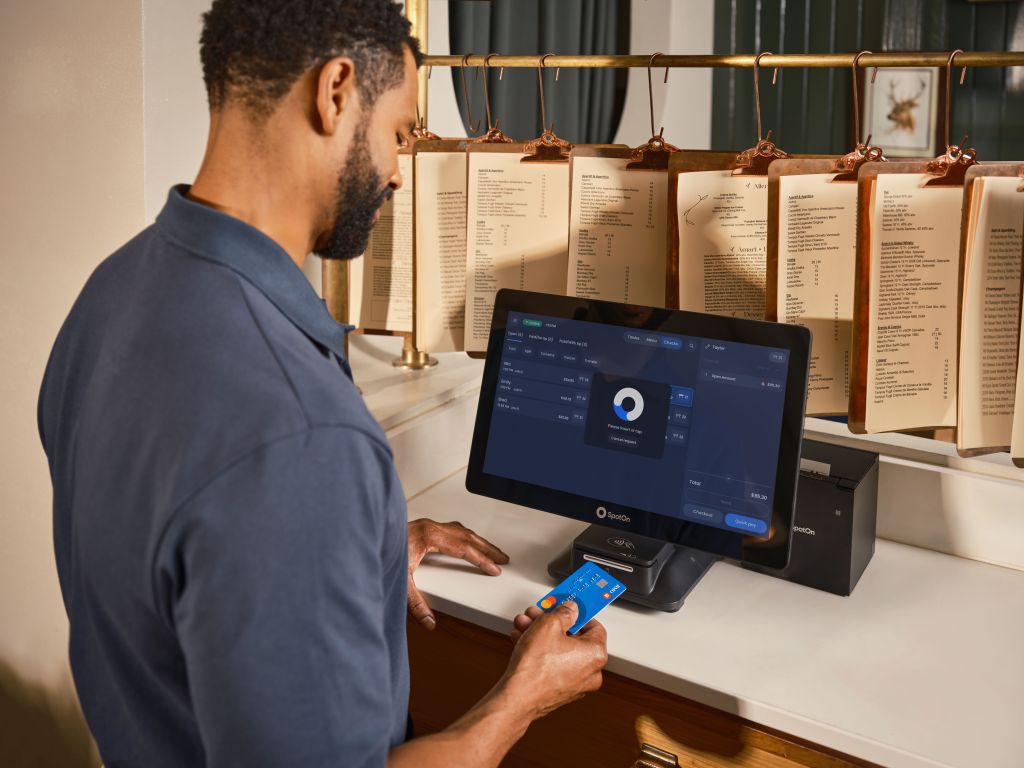
Accepting credit cards has become a normal part of buying goods and services. For a small business, however, accepting a card payment involves more than having a machine at the checkout counter. Payments pass through several systems before money reaches the business bank account. Understanding this process can help owners make sensible choices about payment methods, costs, security, and customer convenience.
Understanding The Payment Process
A credit card payment goes through several stages before the transaction is successfully processed. The card is read by a terminal, payment system, or online checkout, and then the transaction information is sent for authorization. The card network connects the relevant financial institutions, while the issuing bank checks whether the transaction can be approved.
If the payment is approved, the customer receives confirmation, but the process is not finished yet. The transaction still needs to be settled, allowing the funds to move toward the business bank account. This usually happens through the payment processor and acquiring bank involved in the transaction.
For this reason, credit card processing for small businesses involves several behind-the-scenes steps that customers rarely notice. A business owner does not necessarily need to understand every technical detail, but knowing the basic flow makes it easier to understand processing fees, payment delays, declined transactions, and other common issues.
Comparing Processing Costs
Fees are an important part of accepting card payments. Small businesses may encounter transaction fees, monthly charges, equipment costs, statement fees, or other expenses depending on the provider and pricing arrangement. The exact cost can vary based on the type of card used, transaction method, sales volume, and agreement with the payment processor.
A business should look beyond a single advertised rate when comparing options. A low percentage may look attractive at first, but additional charges can change the actual cost of accepting payments. Reading the agreement carefully can reveal whether there are recurring fees, minimum charges, cancellation costs, or equipment expenses.
Processing costs also need to be viewed in relation to the business’s sales. A company that handles many small transactions may experience the fees differently from a business that accepts fewer, higher-value payments. Therefore, looking at expected payment volume can provide a more useful picture than comparing rates alone.
Supporting Customer Convenience
Convenience matters beyond physical stores. Businesses that accept payments through websites, invoices, booking systems, or remote sales also need a reliable way to collect money. A customer who has difficulty completing a payment may abandon a purchase, delay an appointment, or contact the business for assistance.
At the same time, convenience should not come at the expense of security. Payment systems need to protect card information throughout the transaction. Businesses should choose equipment and services that support appropriate security measures, then follow basic practices for protecting accounts, devices, and customer information.
Choosing Suitable Equipment
The right payment equipment depends on the way a business operates. A physical store may need a countertop terminal, while a mobile business could benefit from a portable card reader. Restaurants, service providers, professional offices, and online businesses may have different needs based on where and when customers make payments.
Equipment should also be easy for employees to use. Complicated payment steps can slow down checkout and create unnecessary mistakes. A simple interface can make training easier, reduce confusion, and help employees complete transactions with less interruption to their other responsibilities.
Protecting Payment Information
Security deserves careful attention because payment transactions involve financial information. Small businesses should limit access to payment systems, keep software updated, protect account credentials, and train employees to recognize suspicious activity. These steps can reduce avoidable risks while making security part of normal business operations.
It is also important to understand which security responsibilities belong to the business and which are handled by the payment provider. Depending on the system, businesses may still have obligations related to card data, employee access, devices, and online payment pages.
Good security practices should continue even when a business is not processing payments. Old terminals, computers, receipts, and other materials may contain information that should be handled properly before disposal. Taking care with payment-related equipment and records can help reduce unnecessary exposure.
Managing Daily Transactions
Once a payment system is in place, businesses need a routine for monitoring transactions. Owners may review deposits, refunds, declined payments, chargebacks, and processing statements to make sure activity matches their records. Regular review can make unusual charges easier to spot and may help identify recurring fees that were overlooked.
Refunds and chargebacks also require attention. A refund happens when a business returns money to a customer, while a chargeback involves a transaction being disputed through the card issuer. Each situation can affect the amount deposited into the business account, so employees should know the proper process for handling them.
Keeping accurate sales records can make these situations easier to manage. When payment records match invoices, receipts, orders, or appointment details, the business has clearer information available when a transaction needs to be reviewed.
Planning For Business Growth
Payment needs can change as a company grows. A business may begin with a simple card reader, then later add online sales, recurring billing, mobile payments, or additional locations. Choosing a payment setup that can adapt to these changes may prevent the business from replacing its entire system whenever a new sales channel is introduced.
Growth can also change processing costs. As transaction volume increases, a business may have different needs than it did when sales were smaller. Reviewing the payment arrangement from time to time can help owners determine whether the current setup still makes sense for the company’s operations.
Credit card processing for small business is both a customer service tool and an important part of daily financial management. A suitable system should provide convenient payment options, reasonable costs, dependable equipment, clear transaction records, and appropriate security. By understanding what happens behind each card payment, small business owners can make better decisions about the systems they rely on every day.


Leave a Reply