
Author: murphymelissa710

  • The Future of Entrepreneurship: Trends Every Business Leader Should Know

    The Future of Entrepreneurship: Trends Every Business Leader Should Know

    Entrepreneurship is evolving at a rapid pace. The same instincts that once drove business success ambition, resilience, and innovation still matter, but today’s landscape demands something more: adaptability in a world driven by technology, values, and speed.

    Whether you’re launching a startup or leading a growing business, understanding where entrepreneurship is headed can help you stay ahead of the curve. Here are the key trends shaping the future of entrepreneurship and how you can harness them to build something lasting.

    1. Purpose-Driven Businesses Are Winning

    Consumers today don’t just buy products; they invest in brands whose values align with their own. Entrepreneurs who lead with purpose — whether it’s sustainability, diversity, mental wellness, or social justice — are building deeper customer loyalty and standing out in saturated markets.

    Future Move: Define your “why.” Make your mission part of your brand identity and storytelling.

    2. Remote Work Is Here to Stay

    The rise of remote work has transformed how businesses are built. Entrepreneurs now hire talent globally, reduce overhead costs, and scale without physical borders.

    Future Move: Design your operations for flexibility. Use cloud-based tools, foster digital culture, and hire based on skills — not ZIP codes.

    3. Automation and AI Are Reshaping Workflows

    Entrepreneurs are increasingly using automation and artificial intelligence to save time, cut costs, and make smarter decisions. From automating customer service to using AI for content, marketing, and analytics — the tools are more accessible than ever.

    Future Move: Start small with automation in admin tasks, and explore AI tools that complement your strengths.

    4. The Rise of the Creator Economy

    Entrepreneurship is no longer limited to tech founders or product inventors. Creators — bloggers, influencers, podcasters, and educators — are becoming business owners. They build communities and monetize through memberships, merch, and digital products.

    Future Move: If you have a skill, passion, or perspective — share it online. Content is currency in the new economy.

    5. Niche Markets Are Goldmines

    Mass markets are crowded. The real opportunity lies in micro-niches — tightly defined audiences with specific needs. Entrepreneurs who can serve a small, passionate customer base with tailored solutions are building loyal followings and sustainable brands.

    Future Move: Don’t try to serve everyone. Find your niche, and speak their language deeply and authentically.

    6. Sustainable and Ethical Business Is the New Standard

    Sustainability is no longer optional. From packaging to sourcing, customers are asking: “What impact does this have?” Entrepreneurs are responding by designing eco-conscious and transparent businesses from the ground up.

    Future Move: Audit your practices. Even small steps toward greener operations can boost your brand and build trust.

    7. Digital Payments and Fintech Are Empowering Growth

    With digital wallets, crypto, and mobile-first banking on the rise, entrepreneurs now have more financial tools than ever. Managing cash flow, taking payments, and securing funding is increasingly frictionless.

    Future Move: Leverage fintech tools for smart budgeting, quick payments, and financial insights that power better decisions.

    8. Education is Continuous (and Often Free)

    The modern entrepreneur never stops learning — and thankfully, they don’t have to pay thousands for it. Courses, podcasts, online communities, and YouTube tutorials provide instant access to skills once locked in boardrooms and MBA programs.

    Future Move: Dedicate time each week to upskill. Be the kind of leader who learns fast and adapts even faster.

    The Entrepreneur of the Future

    Tomorrow’s successful entrepreneur isn’t just a builder — they’re a learner, listener, innovator, and community leader. They balance purpose with profit, use tech as a tool (not a crutch), and prioritize impact over ego.

    The future of entrepreneurship belongs to those who are bold enough to rethink the rules, embrace the trends, and build with heart.
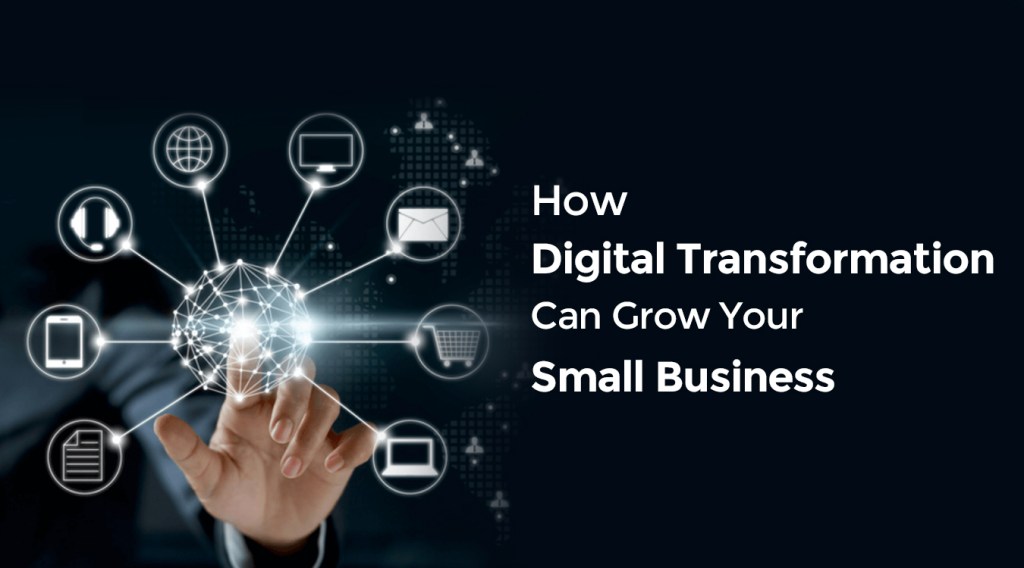
  • How Small Businesses Can Compete in a Digital-First World

    How Small Businesses Can Compete in a Digital-First World

    In today’s fast-paced, tech-driven world, businesses are no longer just competing on storefronts or local networks they’re operating in a digital-first landscape where online presence, automation, and adaptability determine who thrives.

    For small businesses, this might sound like an uphill battle. But the truth is, being small can be a superpower if you know how to leverage the digital space.

    Here’s how small businesses can stay competitive, even against larger, more established players:

    1. Embrace Agility Over Size

    The biggest advantage small businesses have? Speed. While larger corporations often take months to pivot or implement change, small businesses can adapt quickly to:

    • New trends
    • Customer feedback
    • Market shifts

    Use this to your advantage by staying lean, listening closely to your customers, and being willing to iterate fast.

    2. Build a Powerful Digital Presence

    In a digital-first world, your website and social media are your storefront. They’re often the first impression customers will have.

    Make sure you:

    • Have a professional, mobile-friendly website
    • Are active on relevant social platforms
    • Use SEO strategies to be found in local and niche searches
    • Create engaging content (like videos, blogs, or how-tos)

    This creates trust, increases visibility, and makes your brand feel established — even if you’re just starting out.

    3. Automate the Right Things

    Automation isn’t just for big companies. Today, small businesses can easily streamline:

    • Email marketing
    • Customer onboarding
    • Invoicing and payments
    • Appointment scheduling

    Tools like Mailchimp, Zapier, Calendly, or Stripe can save hours each week, freeing you up to focus on growth and customer experience.

    4. Use Data to Make Smarter Decision

    You don’t need a full-time analyst to understand your business. With tools like Google Analytics, Shopify dashboards, or CRM insights, you can:

    • Track what’s working and what’s not
    • Learn more about your customer behaviors
    • Adjust strategies based on real-time feedback

    Data gives you confidence — and reduces guesswork.

    5. Prioritize Customer Experience (Always)

    What sets small businesses apart in a digital-first world? Human connection. Use your size to create a personal, memorable experience.

    That might mean:

    • Sending handwritten thank-you notes
    • Offering quick, personal responses on social media
    • Remembering repeat customers’ names or preferences
    • Providing custom solutions where others can’t

    A great customer experience leads to loyalty, referrals, and glowing reviews — the most powerful form of digital marketing.

    6. Collaborate and Cross-Promote

    Big brands compete. Small businesses collaborate. Partner with other local or online small businesses to:

    • Run promotions or giveaways
    • Bundle services or products
    • Share audiences through social media or newsletters

    These partnerships expand your reach and strengthen your brand without increasing your budget.

    7. Think Global, Act Local

    Digital tools allow you to sell or promote anywhere in the world but don’t lose sight of your local advantage. Highlight your roots, your values, and your community connections. Being relatable and authentic is a powerful edge in an overly polished online world.

    Final Thought: Digital Doesn’t Mean Distant

    Being digital-first doesn’t mean losing your heart or uniqueness. In fact, it’s the opposite: it’s about amplifying what makes you you and bringing that to a wider, more connected audience.

    Small businesses that embrace tech while staying true to their values are not just surviving in the digital age they’re leading it.

    So take that first step. Go digital, stay human, and compete on your own terms.

Design a site like this with WordPress.com
Get started